

Aesthetic & Wellness Services Menu
Skin Rejuvenation+Hair Restoration+IV Therapies

Beauty Club Membership — Monthly Facial Tier
Each month, members at this tier receive one personalized facial treatment tailored to your skin’s needs. Choose from:
Customized Facial: A fully tailored treatment that begins with a professional skin analysis and includes cleansing, exfoliation, targeted masks, corrective serums, and a finishing treatment designed to address your specific concerns (hydration, brightening, calming, anti-aging, or acne management).
Microdermabrasion Facial: A resurfacing treatment that gently exfoliates dead skin and stimulates collagen production to improve texture, reduce fine lines, and promote a smoother, more radiant complexion. Ideal for dull skin, mild scarring, and enlarged pores.
Dermaplaning Facial: A precision exfoliation method that removes vellus hair and superficial dead skin cells for immediate smoothness and enhanced product absorption. Excellent for creating a flawless canvas for makeup and improving overall skin tone.
Membership Benefits
One professional treatment per month from the three options above
Treatment customized to your skin type and goals
Priority booking and flexible scheduling
Member pricing on retail skincare products and upgrades
Cumulative skin progress tracking and personalized homecare recommendations
Who this tier is for This tier is perfect for clients who want consistent professional maintenance and visible monthly improvements without committing to more invasive procedures. It’s suited for all skin types and especially beneficial for those focused on texture refinement, glow, and ongoing corrective care.
How to get started Book a complimentary consultation or schedule your first monthly service. During your initial visit, we’ll perform a detailed skin assessment and recommend which monthly treatment will best support your skin goals going forward.
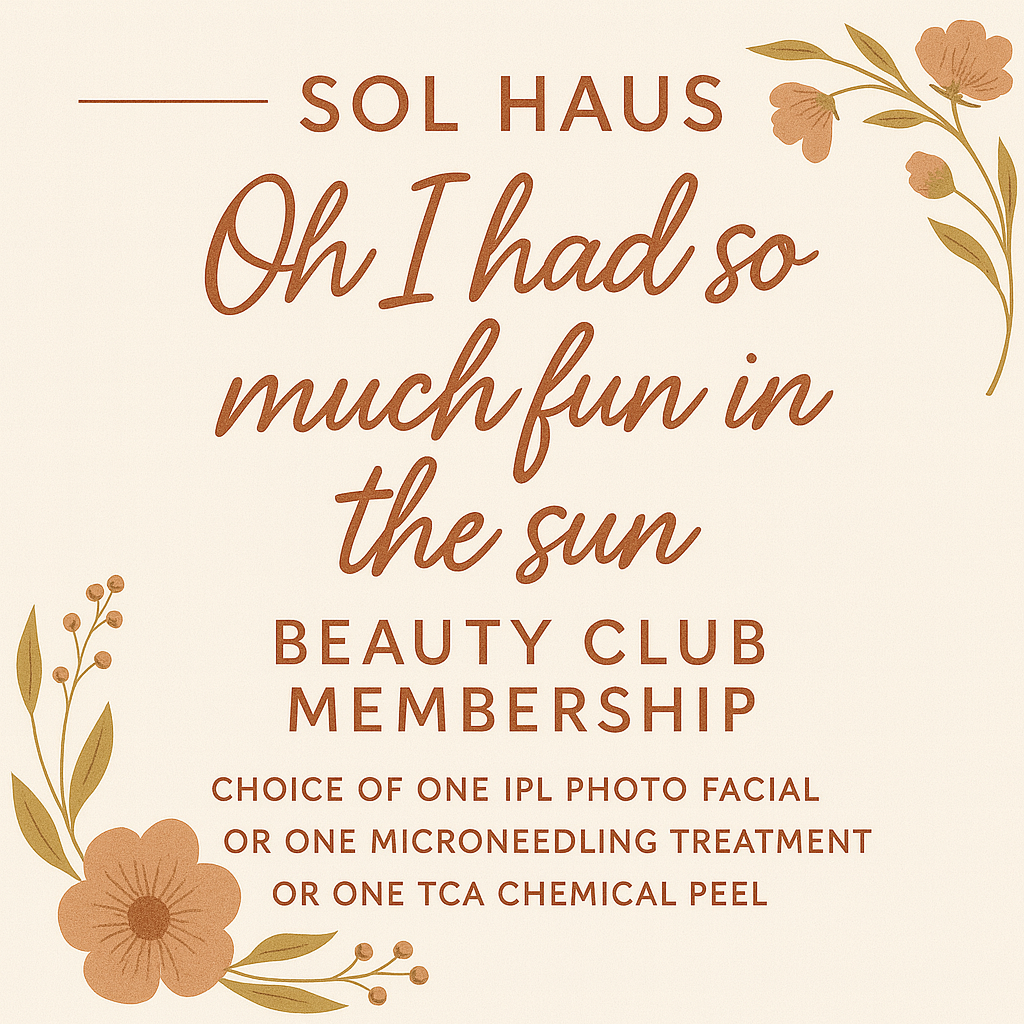
The Beauty Club Membership
Enjoy radiant, refreshed skin all year long. The Beaded Club includes your choice of one premium skin service per month:
One IPL photofacial
One Microneedling treatment
One TCA chemical peel
Member benefits:
Consistent, results-driven treatments tailored to your skin type
Priority scheduling and reduced wait times
Member-only pricing on add-on treatments and retail skincare
Complimentary treatment consultations and customized homecare recommendations
Who it’s best for:
Clients wanting ongoing maintenance and progressive improvement
Those targeting sun damage, uneven tone, texture, fine lines, and pore refinement
Anyone committed to a monthly regimen for lasting, cumulative results
Notes and guidelines:
Treatments may be rotated month to month, subject to clinical assessment and contraindications
A signed treatment consent and skin evaluation required at enrollment
Certain treatments may require pre- and post-care instructions and short recovery periods
Membership terms, cancellation policy, and any applicable taxes/fees will be reviewed at sign-up
Ready to join The Beaded Club? Book a consultation to determine which monthly treatment plan best supports your skin goals.

Beauty Club Membership — Monthly Advanced Facial & Skin-Tightening Treatments
What’s included each month
One IPL photofacial (intense pulsed light)
One microneedling treatment stacked with the IPL in the same visit OR
One Subnovii plasma skin-tightening treatment (in place of IPL + microneedling)
Why these treatments work together
IPL photofacial: Targets pigmentation, sun damage, broken capillaries, and diffuse redness by delivering broad-spectrum light that is absorbed by melanin and hemoglobin. Over successive treatments, IPL breaks up pigmented lesions and stimulates a controlled healing response that improves tone, reduces brown spots, and restores a clearer, more even complexion.
Microneedling (stacked with IPL): Creates microchannels in the skin to stimulate collagen and elastin production while enhancing product penetration and accelerating remodeling. When performed immediately after IPL, microneedling amplifies collagen induction and helps improve texture, reduce acne scarring, and support overall skin renewal.
Subnovii plasma skin tightening (alternative option): Uses focused plasma energy to contract skin fibers and trigger robust collagen remodeling. Subnovii tightens lax tissue, reduces fine lines and wrinkles, and provides lifting effects for areas showing sagging or loss of elasticity.
Primary benefits of the monthly membership
Progressive reduction of sun damage and brown spots: Regular IPL sessions break down sun-induced pigment and prevent further visible recurrence by promoting even skin tone.
Improved skin laxity and wrinkle reduction: Monthly
Hyaluronic acid (HA) facial fillers are widely used injectable treatments that restore volume, smooth wrinkles, and enhance facial contours with predictable, natural-looking results. Brands in the Restylane family—Restylane Kysse, Restylane, Restylane Contour, and Restylane Lyft—are FDA-approved HA fillers formulated for specific areas and aesthetic goals.
Overview of Hyaluronic Acid Fillers
Mechanism: HA is a naturally occurring sugar molecule that attracts and retains water, providing hydration and volume. When injected, HA fillers create structure beneath the skin to lift, fill, and smooth.
Benefits: Immediate results, minimal downtime, reversible (with hyaluronidase), and adjustable to achieve subtle or more noticeable enhancement.
Duration: Typically 6–18 months depending on product, injection site, metabolic factors, and treatment specifics.
Safety: Generally well tolerated. Common side effects include temporary swelling, bruising, redness, tenderness, and lumps. Rare but serious risks include vascular occlusion and infection; injector expertise and appropriate technique reduce these risks.
Restylane Kysse
Intended use: Lip augmentation and correction of perioral lines.
Characteristics: Formulated with XpresHAn Technology for flexibility and movement, providing natural-looking texture and full expression with smooth feel.
Ideal outcomes: Enhanced lip volume, improved definition of the vermilion border, and softer vertical lip lines while preserving lip mobility.
Typical longevity: Up to 6–12 months; individual results vary.
Restylane (also marketed as Restylane-L in some areas)
Intended use: Versatile filler for moderate facial wrinkles and folds, such as nasolabial folds, and for soft tissue augmentation.
Characteristics: Balanced gel with reliable lifting and smoothing capacity; available in several variations (different cross-linking and particle sizes) tailored to specific depths and indications.
Ideal outcomes: Soft correction of lines and moderate volume loss with natural feel.
Typical longevity: Around 6–12 months depending on location and product variant.
Restylane Contour
Intended use: Midface (cheek) contouring and cheek augmentation to restore youthful volume and shape.
Characteristics: Specifically designed to lift and define the cheeks with a smooth gel that integrates into tissue, enabling natural-looking contour and projection.
Ideal outcomes: Restored cheek fullness, improved midface support, and a subtle lifting effect to reduce the appearance of nasolabial folds and jowling.
Typical longevity: Up to 12–18 months; longevity tends to be longer in deeper, structural placements.
Restylane Lyft
Intended use: Deeper cheek augmentation and correction of facial folds; also used for hand rejuvenation.
Characteristics: A firmer gel with greater lifting capacity suited for restoring structure and volume in the midface and for deeper fold correction.
Ideal outcomes: Noticeable improvement in cheek projection, correction of moderate-to-severe nasolabial folds, and rejuvenated hand volume.
Typical longevity: Up to 12–18 months when placed in deeper tissues.
Choosing the Right Product and Injector
Product selection: Depends on treatment area, desired degree of lift vs. softness, skin quality, and patient goals. For lips and perioral lines, Kysse is commonly preferred; for midface shaping, Contour or Lyft are chosen based on the degree of lift needed; standard Restylane variants address moderate lines and softer volumization.
Injector expertise: Outcomes rely heavily on the injector’s anatomy knowledge, injection technique, sterile practice, and conservative approach with staged treatments. Board-certified dermatologists or plastic surgeons and experienced aesthetic providers are recommended.
Consultation:
Dysport injections are a prescription neuromodulator (botulinum toxin type A) used to temporarily reduce the appearance of dynamic facial wrinkles—lines formed by repetitive muscle movement. Dysport works by blocking the release of acetylcholine at the neuromuscular junction, causing targeted muscles to relax. When these muscles relax, overlying skin smooths and the visibility of expression lines diminishes.
Common treatment areas
Glabellar lines (frown lines between the eyebrows)
Forehead lines
Crow’s feet (lines around the eyes)
Bunny lines (on the nose)
Downturned mouth corners and certain neck bands, when used by experienced providers
What to expect during treatment
Consultation to assess facial anatomy, muscle activity, aesthetic goals, and medical history.
Small-volume injections with fine needles; procedure typically takes 10–30 minutes.
Minimal discomfort; topical numbing is rarely necessary.
No general anesthesia and minimal downtime.
Onset, duration, and results
Initial effects may be noticeable within 2–4 days for many patients, with full effect usually reached around 2 weeks.
Results typically last 3–6 months, varying by individual factors such as metabolism, muscle strength, dose, and treatment area.
Repeat treatments are required to maintain results. Some patients experience longer intervals between treatments over time due to partial muscle atrophy.
Safety and side effects
When administered by qualified professionals, Dysport has a strong safety profile.
Common temporary side effects: localized redness, swelling, bruising, bruising, mild pain at injection sites, headache, or temporary eyelid droop (ptosis) if nearby muscles are affected.
Less common: flu-like symptoms, allergic reaction, or distant spread of toxin effects (rare). Seek immediate care for signs of swallowing, breathing, or speaking difficulties.
Not recommended during pregnancy or breastfeeding, and certain neuromuscular disorders (e.g., myasthenia gravis) are contraindications.
Customization and technique
Dose and injection pattern are tailored to each patient’s muscle strength, asymmetries, and aesthetic goals.
Experienced injectors use conservative dosing and strategic placement to maintain natural movement while reducing unwanted lines.
Aftercare and tips
Remain upright for several hours after treatment and avoid rubbing or massaging the treated areas for 24 hours.
Avoid strenuous exercise, excessive heat (sauna), and alcohol for 24 hours to minimize bruising and spread.
Follow provider instructions about timing for follow-up and touch-ups.
Who is a good candidate
Adults seeking non-surgical reduction of dynamic wrinkles who are in good general health, have realistic expectations, and understand the temporary nature of results.
Not ideal for static wrinkles caused primarily by skin laxity or volume loss—these may require fillers, resurfacing, or surgical approaches.
Discuss goals and risks with a licensed, experienced injector to determine whether Dysport is the appropriate option and to develop a personalized treatment plan.
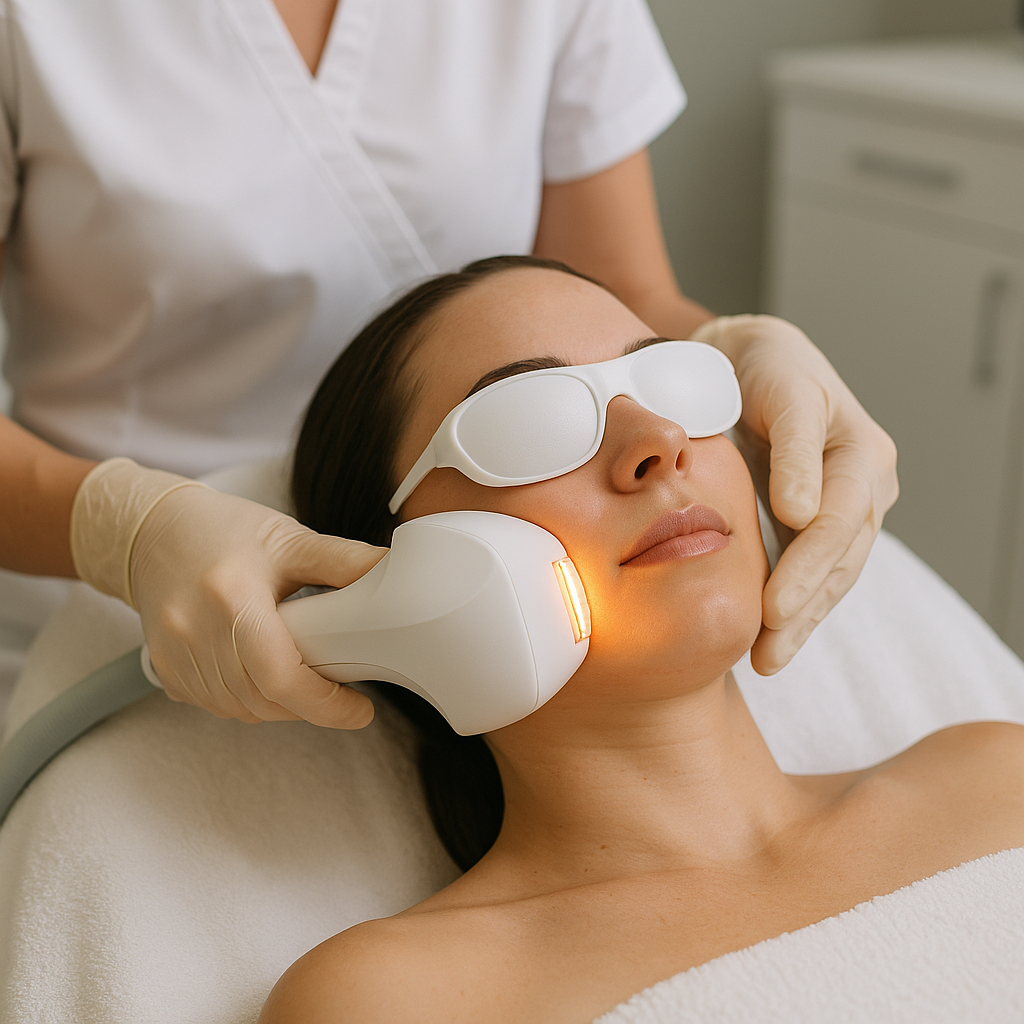
IPL Photofacial is a highly effective treatment designed to address a variety of skin concerns including sun spots, redness, uneven pigmentation, fine lines, and wrinkles. It works by using intense pulsed light to target and break down excess melanin and blood vessels beneath the skin’s surface while stimulating collagen production.
Common areas treated with IPL Photofacial include the face, neck, chest, hands, and arms—essentially any area with visible sun damage or age-related skin changes. This makes IPL an incredibly versatile option for rejuvenating the skin and improving overall texture and tone.
Marie Finger, Founder of Sol Haus was trained in IPL Photofacial by the pioneers of the technology, Dr. Patrick Bitter Sr. and Dr. Patrick Bitter Jr., in 1999. Their groundbreaking work laid the foundation for effective IPL treatments used worldwide today.
With consistent monthly treatments, IPL Photofacial can dramatically reduce the appearance of sun spots, redness, fine lines, and wrinkles. Each session builds upon the last, resulting in progressively healthier, clearer, and more youthful-looking skin.
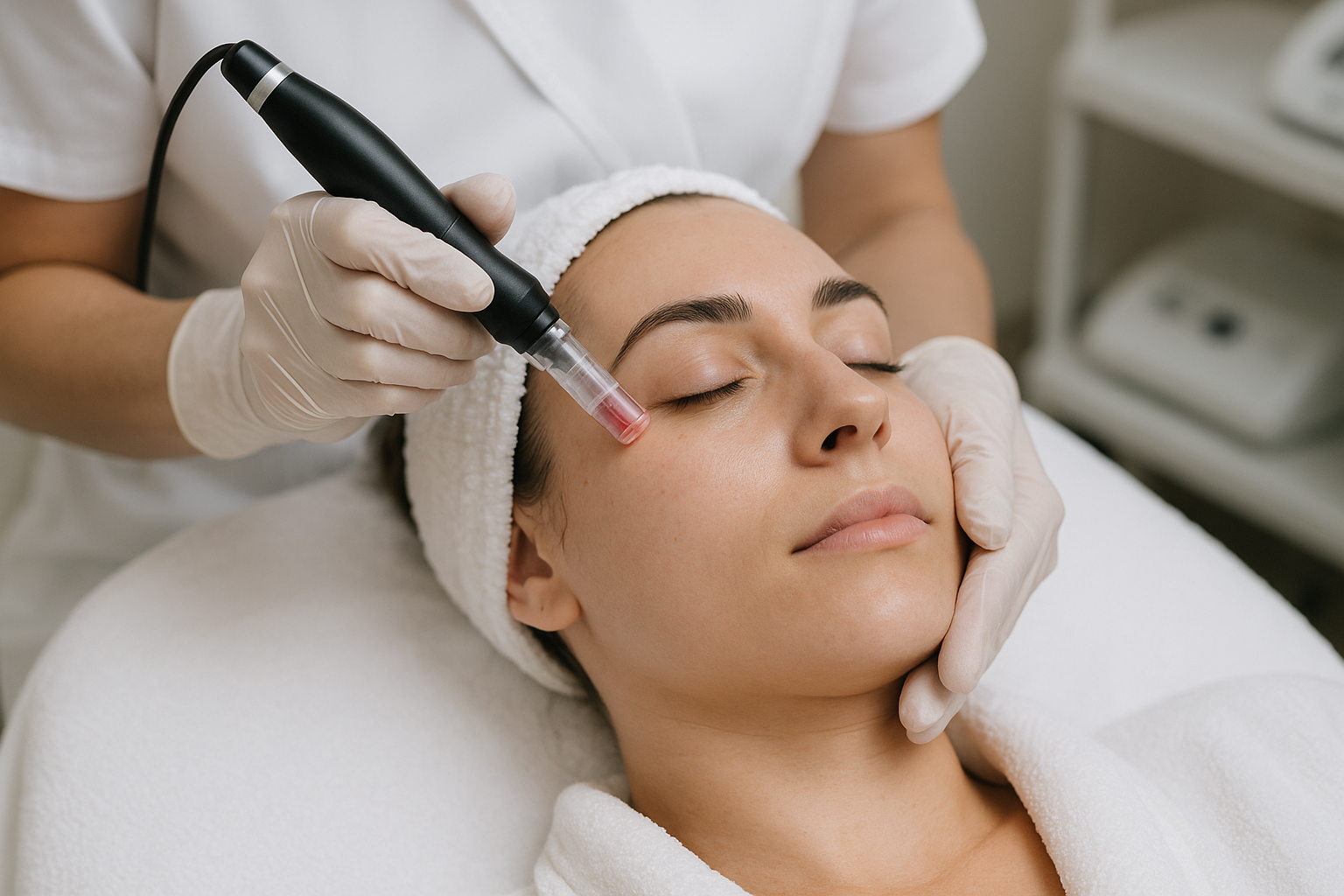
Microneedling is a minimally invasive cosmetic procedure that uses fine, sterilized needles to create micro-injuries on the skin’s surface. These controlled punctures stimulate the body's natural wound-healing process, promoting collagen and elastin production. Collagen and elastin are essential proteins responsible for skin strength, elasticity, and smoothness, which fade as we age, resulting in wrinkles, fine lines, and uneven texture.
Microneedling can be performed on various areas of the body, including:
Face (forehead, cheeks, around the eyes, and jawline)
Neck
Décolletage (chest area)
Scalp (to encourage hair growth)
Hands
Arms and legs (to improve skin texture and reduce scars or stretch marks)
The repair mechanism triggered by microneedling involves increased blood flow and the release of growth factors, which improve skin tone, texture, and firmness while reducing scars, sun damage, and pigmentation irregularities.
For noticeable rejuvenation, including looking up to 10 years younger, patients typically need 3 to 6 sessions spaced 4 to 6 weeks apart.
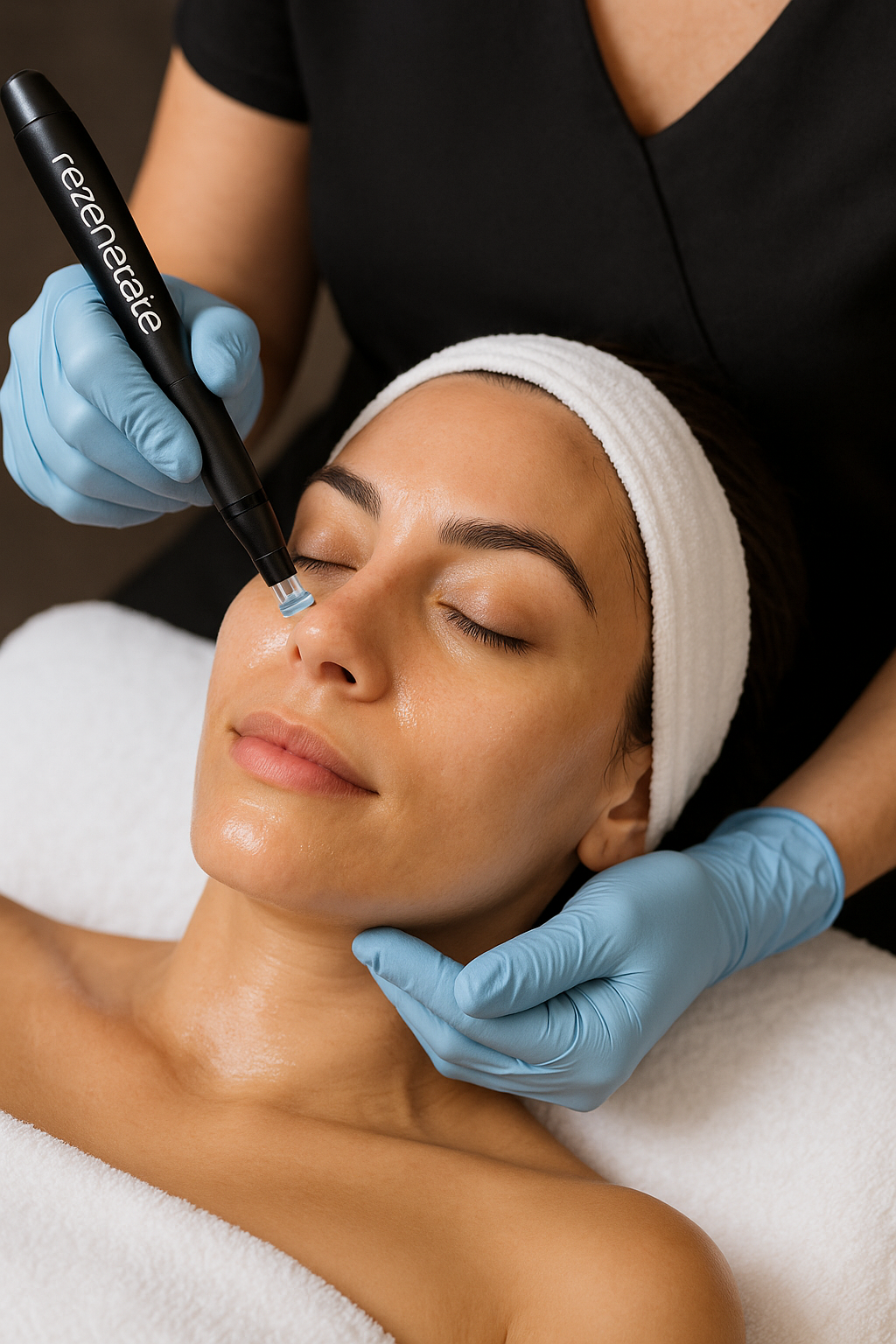
Rezenerate Facial No Needle Infusion Therapy by Osmosis Skincare is an advanced, non-invasive treatment designed to deeply infuse potent serums into the skin without the use of needles. This technology uses a high-frequency vibration tool to gently exfoliate the outer layer of dead skin cells, while simultaneously driving active ingredients into the deeper layers of the skin. The process enhances the skin’s natural ability to absorb nutrients, promoting hydration, improved texture, and a more radiant complexion.
This treatment is ideal for clients seeking a painless alternative to microneedling, delivering anti-aging benefits, increased collagen production, and skin rejuvenation. It effectively reduces fine lines, wrinkles, and hyperpigmentation, making it suitable for a variety of skin types and concerns. The Rezenerate Facial by Osmosis Skincare provides immediate results with no downtime, leaving the skin smoother, brighter, and more youthful-looking.

IPL Photofacial and Microneedling: Stacked Treatments for Optimal Skin Tightening and Rejuvenation
What stacking is Stacking refers to combining IPL (intense pulsed light) photofacial and microneedling treatments in a planned sequence to maximize skin tightening, reduce fine lines and wrinkles, and address redness and brown spots. Each treatment targets different layers and concerns: IPL works primarily on pigmentation, vascular issues, and superficial skin tone, while microneedling stimulates collagen production and improves texture and firmness. When strategically combined, they produce complementary and enhanced results.
How each treatment works
IPL Photofacial: Delivers broad-spectrum light that targets hemoglobin and melanin. It reduces redness (broken capillaries, rosacea-related flushing), diminishes brown spots and sun damage, and improves overall skin tone and clarity. IPL also mildly stimulates collagen remodeling in the superficial dermis.
Microneedling: Uses controlled micro-injuries via fine needles to trigger the skin’s natural wound-healing response, increasing collagen and elastin production. Microneedling improves skin texture, pore size, fine lines, and firmness. It can be performed alone or with topical serums/PRP to enhance penetration and results.
Benefits of stacking IPL + microneedling
Comprehensive treatment of tone, texture, and structural support: IPL clears pigmentation and vascular irregularities; microneedling restores collagen to tighten and smooth.
Faster and more visible improvement: Addressing both surface discoloration and deeper collagen loss accelerates perceived rejuvenation compared with either modality alone.
Treatment customization: Protocols can be adjusted by interval, intensity, and which modality is performed first to match skin type, primary concerns, and downtime tolerance.
Better long-term outcomes: Repeated cycles of collagen induction and pigment/vascular clearance yield cumulative tightening and clarity.
Commonly treated areas
Face: Cheeks, perioral lines, forehead, jawline — targets fine lines, uneven tone, and texture.
Neck: Horizontal lines, crepey texture, and sun damage.
Chest (décolletage): Brown spots, redness, and laxity.
Hands: Age spots, thinning skin, and fine wrinkling.
Typical protocols and sequencing Several safe and effective sequencing strategies are used depending on goals and skin sensitivity:
IPL first, microneedling after healing (common for pigmentation-driven concerns)
IPL session to reduce redness and brown spots.
Allow 1–2 weeks for initial healing and pigment clearance.
Follow with microneedling to stimulate collagen and address texture.
Repeat as advised (often 3 sessions of microneedling spaced 4–6 weeks apart; IPL sessions every 4–8 weeks as needed).
Microneedling first, IPL after stabilization (common when texture/collagen stimulation is primary)
Microneedling to kickstart collagen remodeling and improve product penetration.
Allow 2–4 weeks for skin barrier recovery.
Apply IPL to address remaining pigment and vascular concerns once the epidermis has recovered.
Alternating or combined series (for robust, multi-faceted rejuvenation)
A planned series alternating IPL and microneedling every 4–6 weeks for 3–4 cycles.
Custom spacing reduces risk of excessive inflammation while building cumulative benefit.
Safety and downtime
Both procedures are generally well tolerated when performed by trained professionals.
Typical immediate effects:
IPL: Temporary redness, possible darkening of pigmented spots before flaking, mild swelling for 24–72 hours.
Microneedling: Redness similar to a sunburn for 24–72 hours, possible pinpoint bleeding immediately after treatment.
Downtime depends on settings and skin sensitivity; combined protocols spaced properly limit prolonged inflammation.
Important considerations: Avoid aggressive stacking on the same day. Respect healing intervals to prevent post-inflammatory hyperpigmentation and excessive irritation. Use sunscreen diligently post-treatment.
Who is a good candidate
Individuals with combined concerns: fine lines/wrinkles, uneven texture, redness, and sunspots.
Those seeking non-surgical tightening and overall rejuvenation for face, neck, chest, and hands.
People with realistic expectations about progressive improvement over several treatments and commitment to maintenance.
Contraindications and precautions
Active infection, uncontrolled acne or rosacea flare, recent isotretinoin use (must wait per provider guidance), pregnancy, certain autoimmune conditions, and recent aggressive skin procedures.
Fitzpatrick skin types IV–VI require cautious IPL settings or alternative light sources to reduce risk of post-inflammatory hyperpigmentation; experienced providers will tailor protocols.
Expected results and maintenance
Noticeable improvements in tone and texture typically appear within weeks after treatment, with progressive collagen-driven tightening over 3–6 months.
Optimal outcomes
Subnovii Plasma Pen Skin Rejuvenation Procedure
What it is The Subnovii Plasma Pen is a non-surgical, minimally invasive device that uses pulsed plasma (ionized gas) to create controlled micro-injuries in the superficial layers of the skin. These micro-injuries trigger a natural wound-healing response—neocollagenesis and elastin remodeling—leading to skin tightening, texture improvement, and reduction of fine lines and superficial laxity. Treatment is precise and localized, designed to stimulate tissue contraction without cutting or significant thermal damage to deeper structures.
How it works
The device generates a focused plasma arc between the handpiece tip and the skin surface.
The plasma creates tiny, targeted micro-sparks (microinjuries) on the epidermis and superficial dermis.
Surrounding tissue remains largely intact, which encourages rapid re-epithelialization while the dermal remodeling process begins.
Over weeks to months collagen and elastin production increase, improving firmness, texture, and skin tone.
Typical treatment course and downtime
Most areas require a single session for noticeable tightening; some patients benefit from 1–2 follow-up treatments spaced 6–12 weeks apart for progressive improvement.
Immediately after treatment there is pinpoint crusting and erythema; crusts typically form within 24–48 hours and slough over 5–10 days depending on intensity and treated area.
Redness and mild swelling can persist for 1–3 weeks. Full remodeling and visible improvement continue for 3–6 months.
Patients should avoid picking crusts, rigorous sun exposure, and certain topical irritants during healing.
Benefits
Non-surgical alternative to lower-risk surgical procedures for mild-to-moderate skin laxity.
Precise, controlled treatment suitable for small area’s such as eyelids or wrinkles around the mouth.
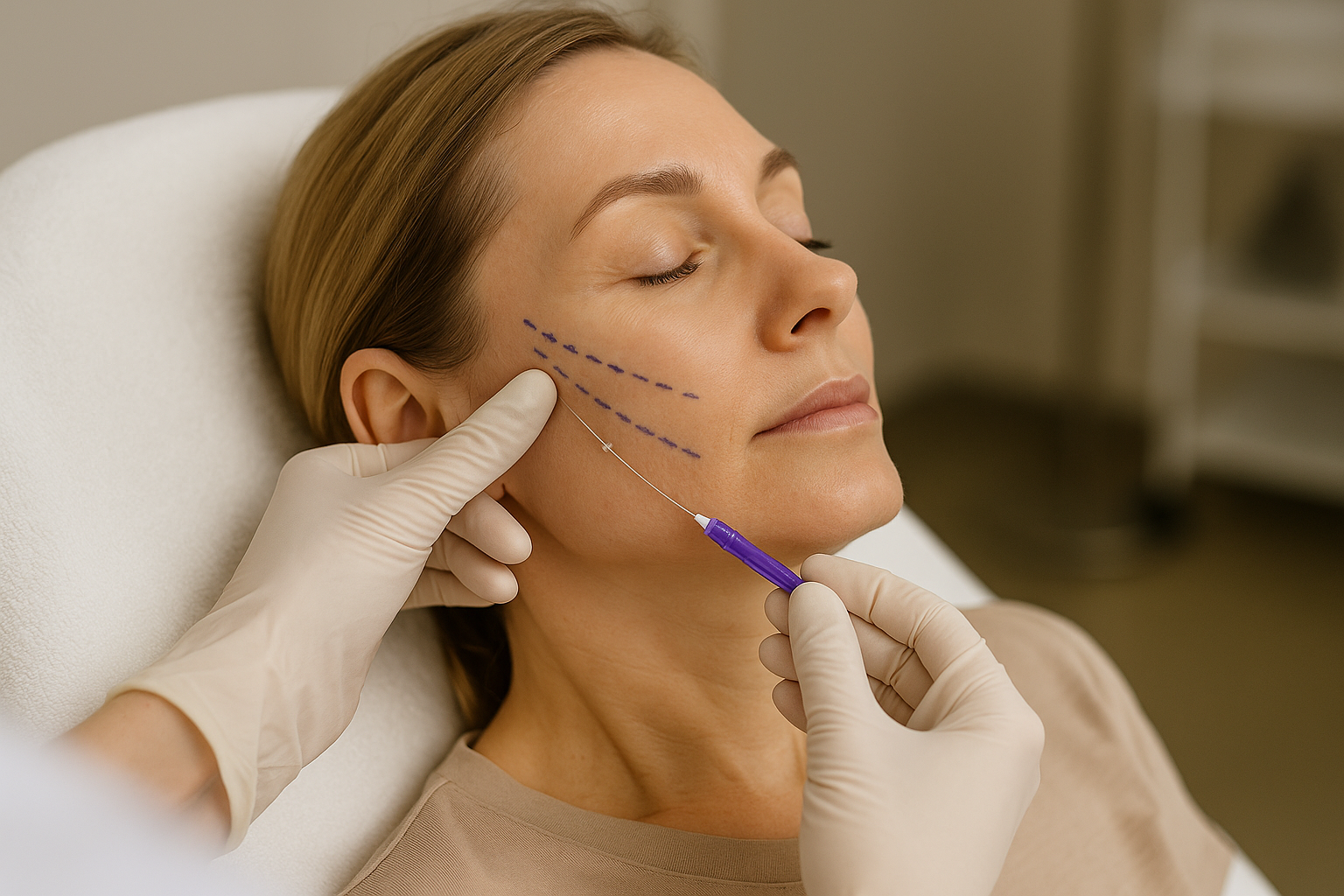
PDO (Polydioxanone) threads are widely used in surgical procedures and pediatric surgeries. The biocompatible polymer that naturally dissolves in the body over time without causing adverse reactions. These medical-grade threads are commonly used in minimally invasive cosmetic procedures designed to lift and tighten sagging skin while simultaneously stimulating the body’s own collagen production, which improves skin elasticity and firmness.
PDO threads can be applied to various areas, including the face—such as the cheeks, jawline, and neck—as well as the décolletage and occasionally other parts of the body where skin laxity is present. They are particularly effective for treating mild to moderate skin sagging, enhancing skin texture, and restoring a youthful appearance without the need for invasive surgery.
PDO Threads come in a variety of options from blunt tip eye and lip enhancing threads, to body threads and lifting threads. Depending on your concerns we will choose the appropriate type of threads to achieve noticeable lasting results that are safer add in most cases more effective than filler.
The safety profile of PDO threads is well-documented and reassuring. Because the threads are fully absorbable, they typically dissolve within 6 to 18 months. When the procedure is carried out by qualified and licensed practitioners such as Marie Finger who has over 25 years experience in the Aesthetic industry, the associated risks are minimal, with rare cases of complications. Common side effects are generally mild and temporary, often including minor swelling, bruising, or localized discomfort that resolves quickly.
In summary, PDO threads provide a safe, effective, and minimally invasive option for non-surgical skin lifting and rejuvenation, with the added benefit of minimal recovery time and natural-looking results.

Microdermabrasion combined with extractions, a light glycolic application, and a clay detox mask delivers a multi-step resurfacing and clarifying treatment that refines texture, clears congested pores, and balances oil production. The microdermabrasion gently exfoliates dead skin and boosts circulation, allowing extractions to be performed more effectively and safely to remove blackheads and impurities. A mild glycolic peel further loosens cellular bonds for enhanced cell turnover and a smoother complexion without excessive irritation, while the clay detox mask draws out residual debris and calms inflammation, tightening pores and reducing shine. Together these modalities provide immediate visible smoothing and brightening, improved product absorption, and cumulative benefits for clearer, more balanced skin when incorporated into a tailored treatment plan.

Anti-Aging Enzyme Facial with Light Glycolic Treatment — 60 Minutes
Overview This 60-minute treatment combines the gentle resurfacing power of a fruit enzyme mask with a controlled, light glycolic application to stimulate cell turnover, smooth texture, and diminish fine lines. Performed using all-natural skincare products and therapeutic-grade essential oils, the facial is designed to renew radiance while maintaining skin barrier health and minimizing irritation.
Benefits
Promotes cellular renewal and brighter, more even skin tone
Softens fine lines and refines pore appearance
Gentle exfoliation without harsh abrasion
Hydrates and calms using botanical actives and essential oils
Safe for most skin types when performed at the appropriate glycolic concentration
Treatment Outline (60 Minutes)
Consultation & Skin Analysis (5 minutes)
Quick review of skin concerns, sensitivities, and contraindications.
Determine appropriate glycolic concentration and essential oil selection based on skin type and sensitivities.
Double Cleanse (8 minutes)
First cleanse: gentle oil-based cleanser to remove surface oils and makeup.
Second cleanse: natural, botanical foaming or cream cleanser to purify without stripping.
Gentle Exfoliation — Enzyme Mask (12 minutes)
Application of a plant-derived fruit enzyme mask (papaya and pineapple enzymes) to dissolve dead skin cells and soften texture.
Enzymes are left on for a controlled timeframe to ensure gentle yet effective exfoliation.
Light Glycolic Treatment (10 minutes)
Application of a low-concentration glycolic treatment (customized to skin tolerance) to further promote exfoliation and increased cell turnover.
Monitored closely; neutralized or removed according to protocol to prevent over-exfoliation.
Hydrating & Repair Serum (8 minutes)
Application of a concentrated, all-natural serum with antioxidants (vitamin C from botanical sources), hyaluronic acid alternatives (plant-derived humectants), peptides, and skin-repairing botanicals.
Soothing Mask with Essential Oils (10 minutes)
A calming mask composed of hydrating botanical clays and aloe vera, infused with carefully chosen essential oils such as lavender (calming), helichrysum (regenerative), or roman chamomile (anti-inflammatory). Essential oils are used in therapeutic, skin-safe dilutions.
Facial Massage & Scalp/Neck Relaxation (5 minutes)
Gentle massage to promote lymphatic drainage and product absorption, using nourishing plant oils (jojoba, rosehip) that support skin barrier repair.
SPF & Aftercare Recommendations (2 minutes)
Application of a mineral-based SPF and verbal/written aftercare guidance stressing sun avoidance, gentle homecare, and recommended intervals for follow-up treatments.
Product Philosophy All products used are formulated from natural, plant-derived ingredients free from synthetic fragrances, sulfates, parabens, and harsh preservatives. Essential oils are chosen for proven skin benefits and are always used at safe dilutions appropriate for facial application. Glycolic acid is applied conservatively to preserve barrier function while delivering visible anti-aging results.
Ideal Candidates
Clients seeking gentle anti-aging resurfacing without aggressive peels
Those with fine lines, dullness, uneven texture, or mild hyperpigmentation
Clients

Hair restoration using ExocelBio Growth Factors, Peptides, Proteins represents a cutting-edge advancement in regenerative medicine and aesthetic treatments. ExocelBio growth factors, proteins, peptides are cell-free vesicles derived from stem cells that facilitate cellular communication and tissue repair by delivering growth factors, cytokines, and genetic material directly to target cells.
In the context of Hair restoration, these powerful growth factors accelerate the healing process and stimulate the renewal of damaged or aged skin. They promote collagen synthesis, reduce inflammation in the scalp, promote a hair growth messenger system that tells hair to grow and grow thicker and fuller hair. This minimally invasive approach bypasses many of the risks associated with traditional therapies, offering faster recovery times and natural-looking outcomes.
At Sol Haus Aesthetics+Wellness+Boutique, Hair restoration protocols utilizing ExocelBio Growth Factors, Peptides, Proteins are carefully tailored to each client’s unique needs, ensuring optimal regenerative effects and long-lasting results. This innovative treatment provides a safe and effective option for those seeking to restore tissue health and vitality with state-of-the-art regenerative technology.
No downtime, no one will ever know how your hair got to be so amazing!
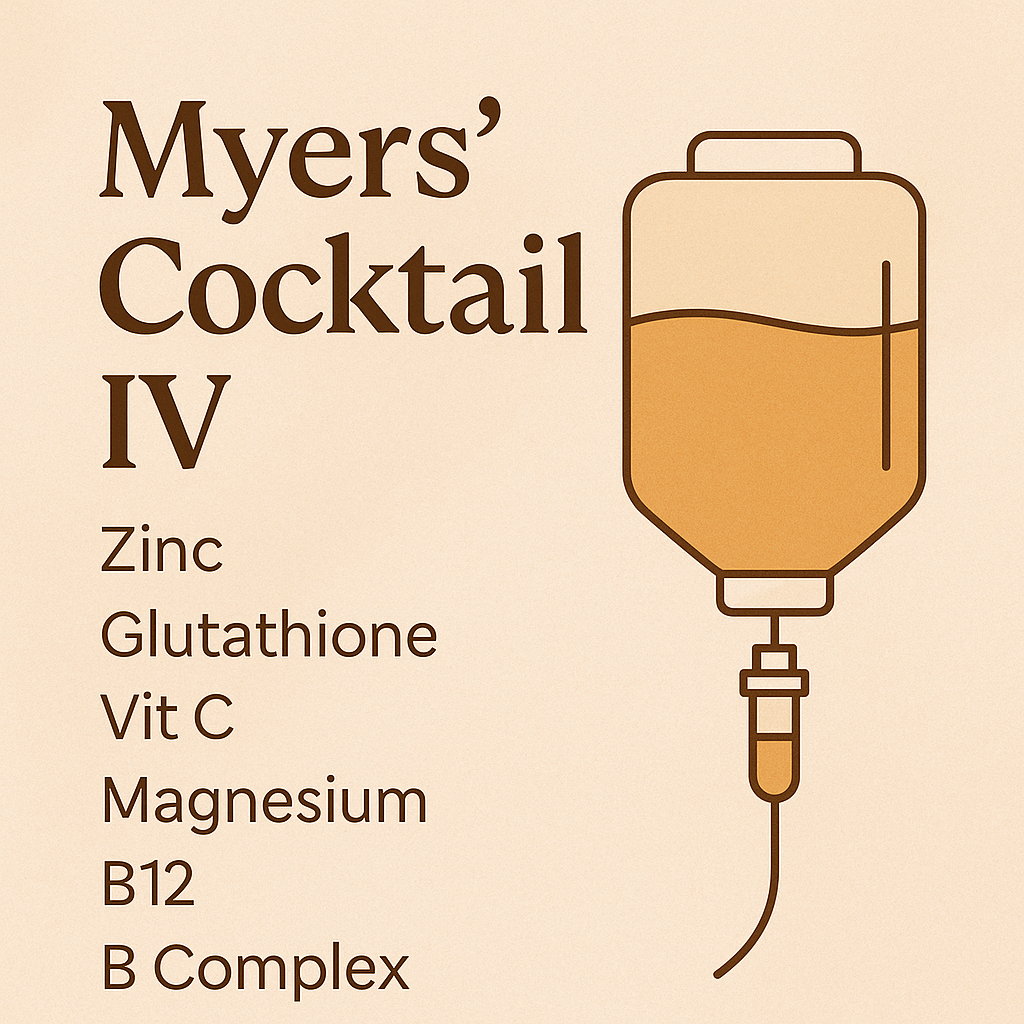
Myers Cocktail IV Blend
A high-potency Myers-style IV designed to support energy, immune function, antioxidant protection, and cellular recovery.
Contents per infusion:
Vitamin B12 (Methylcobalamin) — 1000 mcg: Supports energy metabolism, neurological function, and red blood cell formation.
B-Complex (1 mL) — concentrated blend of B vitamins: Promotes cellular energy production, healthy nervous system function, and metabolic support.
Magnesium — 200 mg: Helps with muscle relaxation, nerve function, electrolyte balance, and recovery from physical or mental stress.
Vitamin C — 1000 mg: Potent antioxidant that supports immune health, collagen synthesis, and enhanced iron absorption.
Glutathione — 200 mg: Master antioxidant for cellular detoxification, reducing oxidative stress, and supporting liver health and skin radiance.
Zinc — 2.5 mg: Essential trace mineral that supports immune response, wound healing, and enzyme function.
Indications Recommended for individuals seeking rapid repletion of micronutrients to improve energy, strengthen immune defenses, reduce oxidative stress, and support recovery from acute illness, chronic fatigue, travel fatigue, or high physical demand.
Benefits
Quick systemic delivery of vitamins and minerals for faster onset than oral supplementation.
Supports increased energy, mental clarity, and reduced fatigue.
Enhances antioxidant defenses and cellular detox pathways.
Supports immune resilience and tissue repair.
Administration & Considerations
Administered intravenously by licensed medical staff in a clinical setting.
Typical infusion time: 30–60 minutes, adjusted per patient tolerance and IV access.
Contraindications: Known allergy to any component, severe renal impairment, or unstable medical conditions. Use caution with patients on magnesium-sensitive medications or with electrolyte disorders.
Pre- and post-infusion hydration recommended. Monitor for infusion reactions; mild transient soreness at the IV site or flushing may occur.
Personalization Dosing and component selection can be adjusted by a clinician to match individual needs, medical history, and goals. A pre-infusion assessment is required to ensure safety and efficacy.
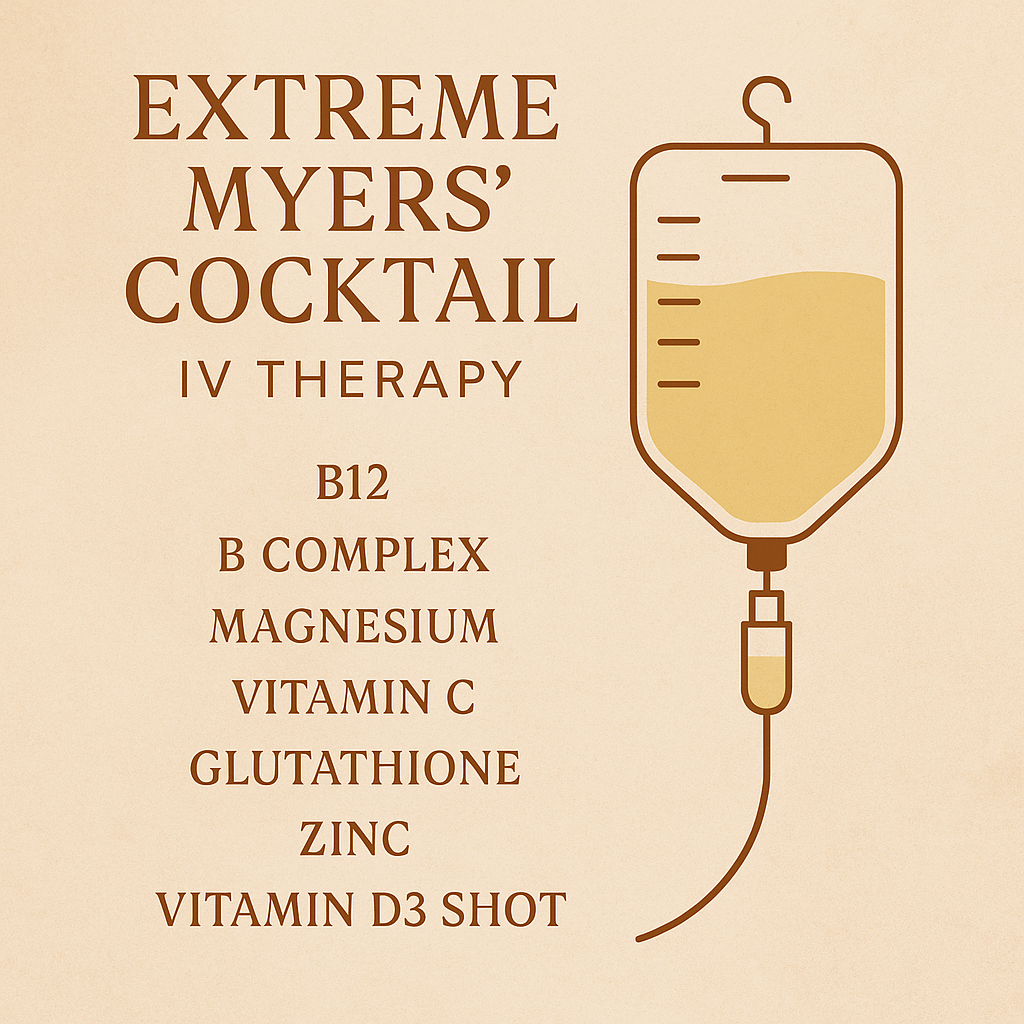
Extreme Myers Cocktail (Advanced IV Nutrient Blend)
Overview This “Extreme” Myers Cocktail is a high‑dose intravenous nutrient formula designed for rapid delivery of hydration and concentrated vitamins and minerals. It is intended for patients seeking aggressive support for immune function, energy metabolism, antioxidant protection, and muscle/nerve function. Administration should be performed only by licensed medical personnel in a clinical setting after medical evaluation and informed consent.
Key components and typical roles
B12 (1000 mcg, methylcobalamin or cyan
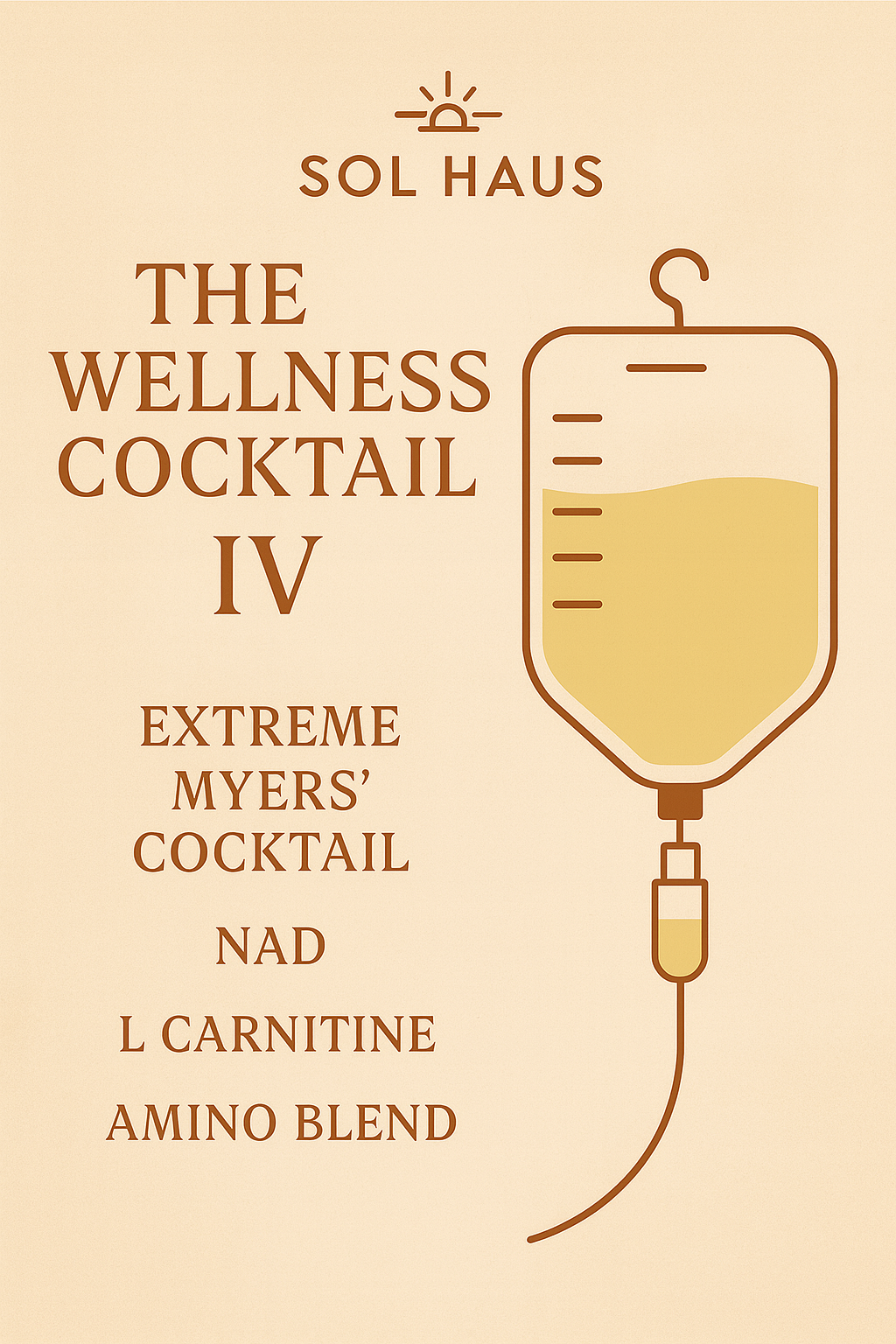
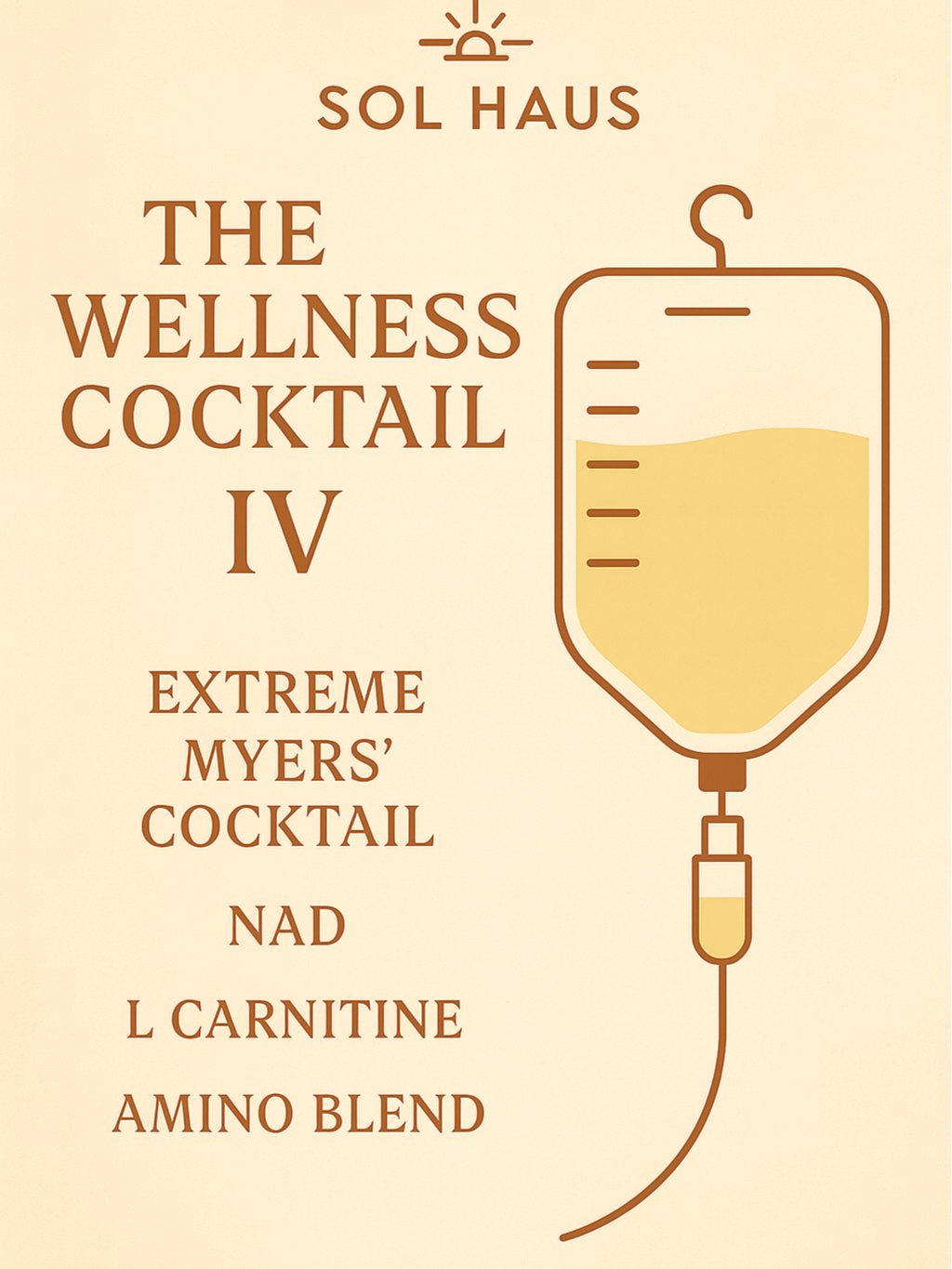
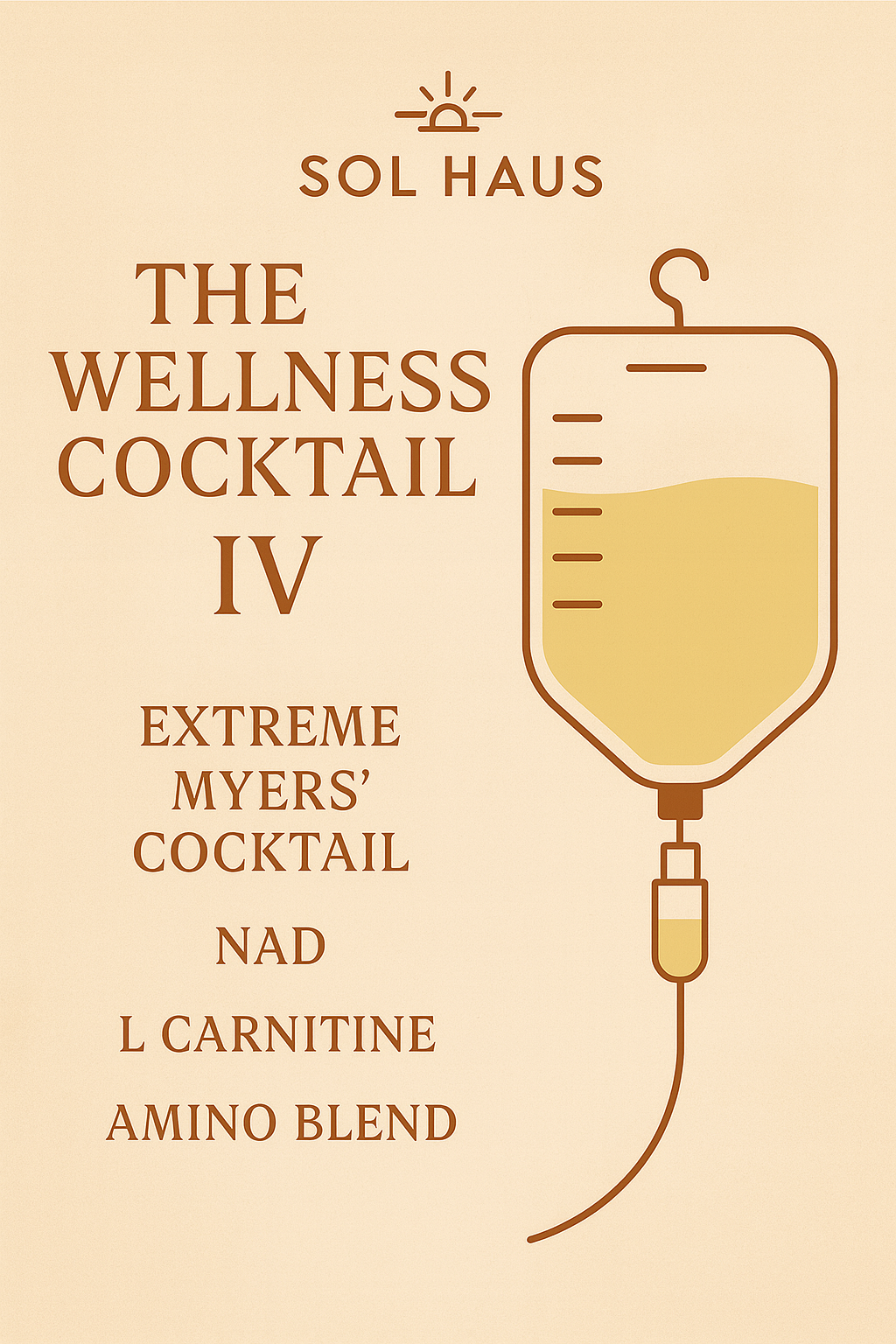
Wellness IV Cocktail — Composition and Benefits
The Wellness IV Cocktail is a targeted infusion designed to support energy, cellular repair, metabolic function, and overall recovery. At Sol Haus Aesthetics+Wellness+Boutique we blend clinically used nutrients at therapeutic doses to promote rapid systemic absorption and immediate bioavailability.
Key components in this formula
Extreme Myers component: A concentrated version of the classic Myers’ cocktail typically includes magnesium, B-complex vitamins, vitamin C, and calcium. This “Extreme” Myers approach supplies electrolytes and essential cofactors for mitochondrial function, nerve conduction, muscle performance, and immune support.
NAD (nicotinamide adenine dinucleotide): NAD is a critical coenzyme for cellular metabolism, DNA repair, and mitochondrial energy production. IV-delivered NAD supports cognitive clarity, mood stability, and recovery from metabolic stress. Dosages vary by protocol; the inclusion here targets enhanced cellular regeneration and improved energy pathways.
250 mg L‑Carnitine: L‑Carnitine facilitates fatty acid transport into mitochondria for energy production, supporting fat metabolism, endurance, and recovery. A 250 mg IV dose is used to aid metabolic processes, reduce fatigue, and support athletic performance or metabolic optimization.
500 mg amino blend (1 mL): A concentrated amino acid blend delivers essential and nonessential amino acids that support protein synthesis, tissue repair, neurotransmitter production, and metabolic recovery. The 500 mg dose in a concentrated 1 mL volume offers potent support for muscle recovery and cellular rebuilding.
Intended benefits
Rapid rehydration and electrolyte balance from the Myers elements to improve energy, mood, and muscle function.
Enhanced mitochondrial function and cellular energy via NAD and L‑carnitine, improving stamina, mental clarity, and metabolic efficiency.
Accelerated recovery after exercise, illness, or fatigue because amino acids supply building blocks for repair and neurotransmitter synthesis.
Support for detoxification pathways and oxidative stress reduction through vitamins and coenzymes included in the Myers base.
Who may benefit
Individuals experiencing chronic fatigue, brain fog, or low energy.
Athletes seeking faster recovery and improved endurance.
Clients recovering from acute illness, jet lag, or intense physical stress.
Persons pursuing metabolic optimization or enhanced wellness support.
Safety and administration
IV nutrient therapy should be provided by licensed clinicians in a medical setting. Patient history, current medications, and contraindications must be reviewed prior to infusion.
Possible side effects include local IV site discomfort, transient flushing, lightheadedness, or allergic reaction. Serious adverse events are rare but require immediate medical attention.
Dosages and infusion rates will be individualized; hydration status, renal function, and metabolic conditions guide clinical decisions.
At Sol Haus Aesthetics+Wellness+Boutique we use evidence-informed protocols and sterile techniques to ensure safe administration and optimal outcomes. If you’re considering a Wellness IV Cocktail, schedule a consultation for a personalized evaluation and treatment plan.
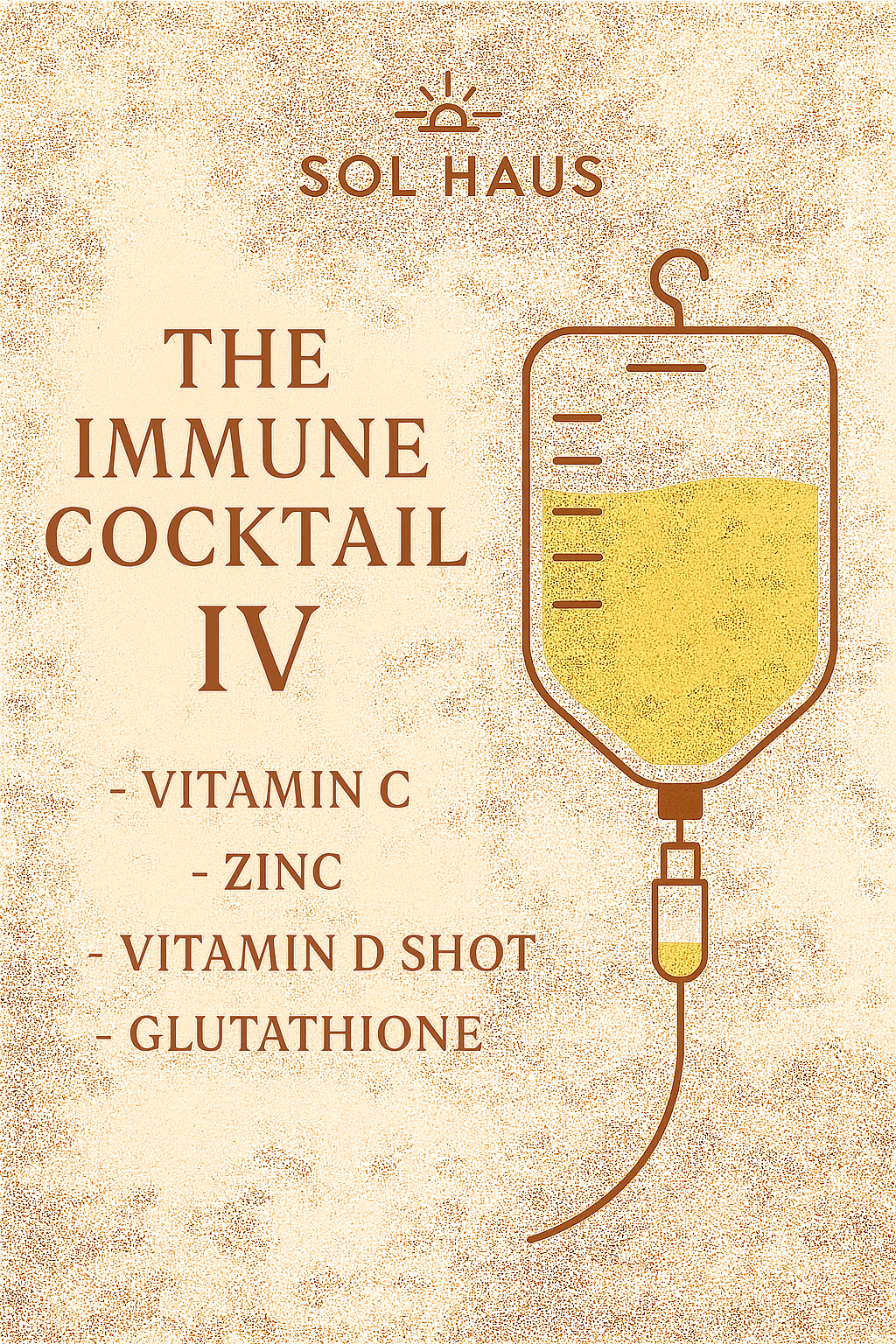
Immune Cocktail — Formulation and Clinical Notes
Composition per administration
Vitamin C (ascorbic acid): 5,000 mg (IV)
Zinc: 7.5 mg
Vitamin D (cholecalciferol or ergocalciferol): 10,000 IU (injectable)
Glutathione: 1,000 mg (IV, reduced form)
Intended effects
Vitamin C 5,000 mg: potent antioxidant support, promotes leukocyte function, may reduce duration and severity of acute viral illnesses when administered early; supports collagen synthesis and vascular health.
Zinc 7.5 mg: supports innate and adaptive immune responses, important for antiviral defense and mucosal barrier integrity.
Vitamin D 10,000 IU: supports innate immunity and modulates inflammatory responses; used for rapid repletion in deficient patients (single-dose therapy or short-course regimen).
Glutathione 1,000 mg: powerful intracellular antioxidant, supports detoxification pathways, may help modulate oxidative stress and restore redox balance in immune cells.
Clinical considerations and safety
Indications: adjunctive immune support for patients with acute viral symptoms, recurrent infections, or for immune optimization when clinically appropriate. Should be administered by qualified medical personnel after evaluation.
Screening and contraindications:
Confirm no known hypersensitivity to any component.
Check baseline renal function for high-dose vitamin C due to oxalate risk in patients with renal impairment or history of nephrolithiasis.
Assess for iron overload disorders (e.g., hemochromatosis) before high-dose vitamin C.
Screen for hypercalcemia or other contraindications prior to high-dose vitamin D; consider baseline 25(OH)D and calcium levels if planning repeated
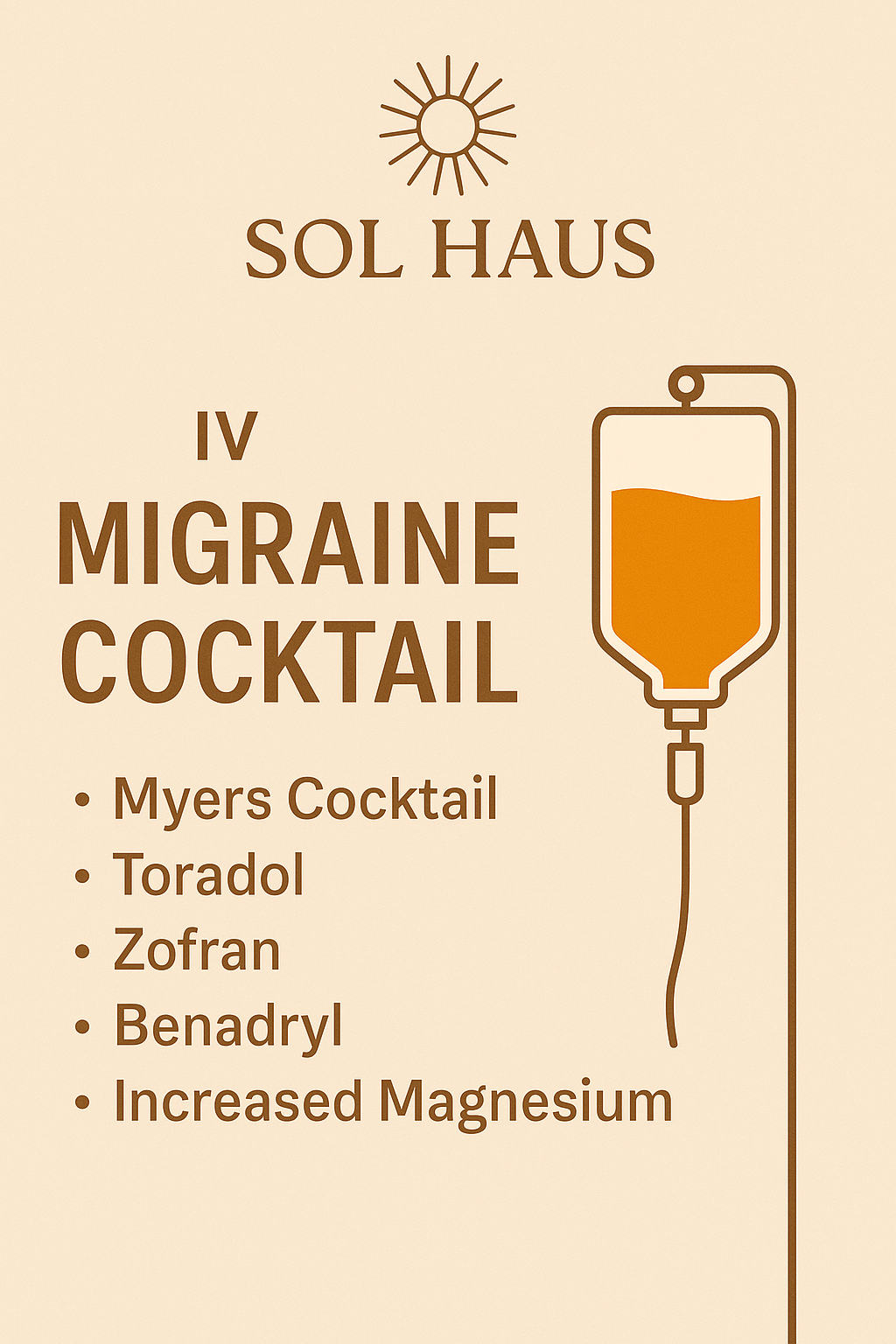
Migraine IV Cocktail (Myers-style) — Suggested Protocol
Indication
Acute
Migraine IV Cocktail (Myers-style) — Suggested Protocol
Indication
Acute migraine with moderate to severe pain, nausea, or significant functional impairment.
IV Medications and Dosages
Toradol (ketorolac): 30 mg IV push — single dose for acute analgesia (avoid if contraindications such as active bleeding, renal impairment, or recent NSAID use).
Zofran (ondansetron): 4 mg IV push — antiemetic to address nausea and reduce vomiting-associated triggers.
Benadryl (diphenhydramine): 50 mg IV or IM — for antiemetic/sedation and to mitigate potential histamine-mediated symptoms; use caution with sedation and in elderly patients.
Magnesium sulfate: 800 mg IV (0.8 g) administered over 15–30 minutes — for acute migraine relief and potential prophylactic benefit; consider slower infusion in patients with renal impairment or cardiac conduction disease.
Optional additions commonly included in a Myers-style cocktail: B-complex vitamins (e.g., B12 1,000 mcg IM or IV), vitamin C 500–1,000 mg IV, and normal saline or lactated Ringer’s as the infusion carrier (total volume individualized, often 100–250 mL).
Administration Notes
Assess vital signs, allergies, medication history, renal function, pregnancy status, and concurrent anticoagulant or NSAID use prior to administration.
Use an IV line suitable for medication administration; dilute medications per manufacturer recommendations when required.
Administer Toradol only if no contraindications (age >65 caution, renal impairment, active bleeding, recent major surgery).
Monitor for sedation, respiratory depression (especially if additional sedatives are used), hypotension, and signs of allergic reaction during and after infusion.
Monitor urine output and consider baseline serum magnesium if concern for renal dysfunction.
Contraindications and Precautions
Ketorolac contraindications: active peptic ulcer disease,
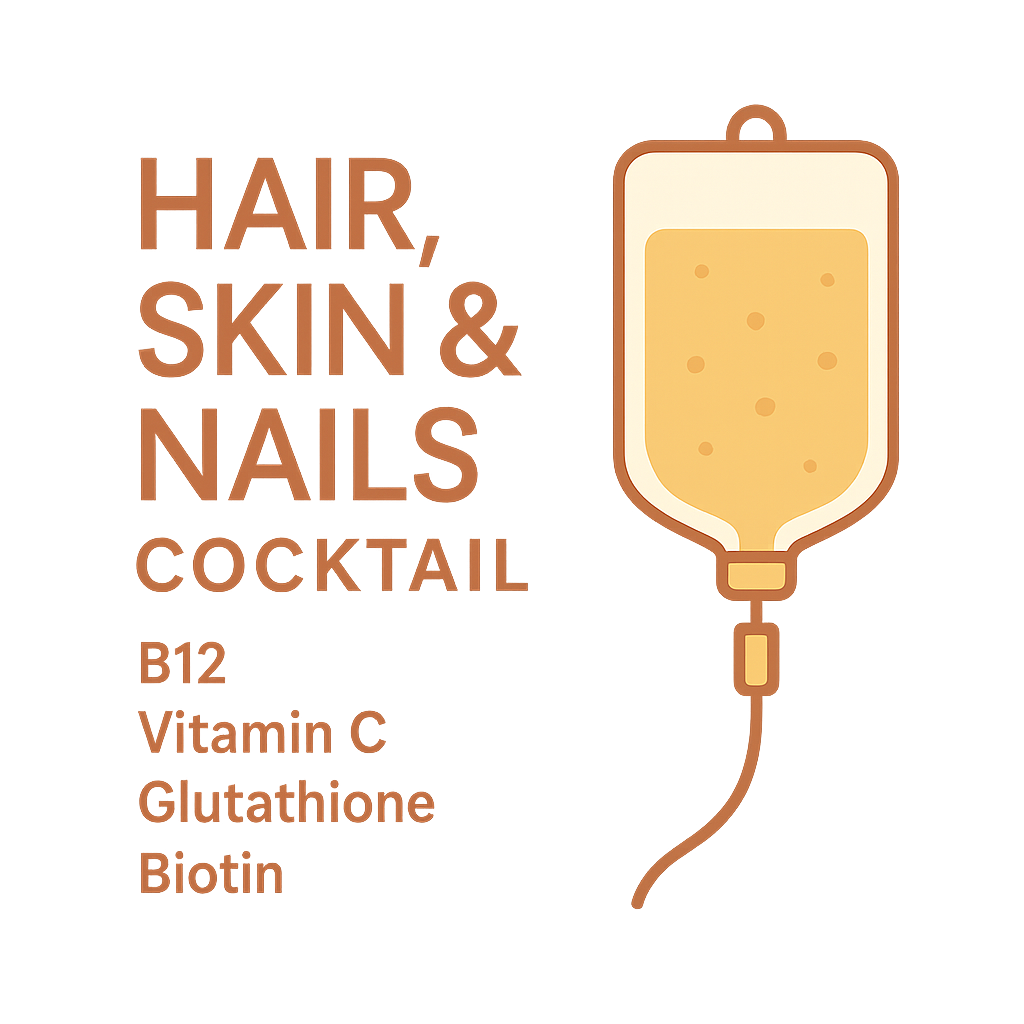
Hair • Skin • Nails IV Cocktail
Ingredients per treatment:
Vitamin B12 (methylcobalamin) — 1000 mcg
Vitamin C (ascorbic acid) — 1000 mg
Glutathione (reduced) — 1000 mg
Biotin — 1 mg
Overview: This IV cocktail is formulated to support hair growth, skin radiance, and nail strength. Vitamin B12 supports cellular energy and healthy hair follicles. Vitamin C is a potent antioxidant that promotes collagen synthesis and protects skin from oxidative stress. Glutathione provides powerful antioxidant and detoxification support, helping to reduce oxidative damage and support overall skin health. Biotin (vitamin B7) contributes to normal keratin infrastructure for hair and nails.
Potential Benefits:
May support stronger, healthier hair and reduced brittleness
Can promote improved skin tone, brightness, and
Hair • Skin • Nails IV Cocktail
Ingredients per treatment:
Vitamin B12 (methylcobalamin) — 1000 mcg
Vitamin C (ascorbic acid) — 1000 mg
Glutathione (reduced) — 1000 mg
Biotin — 1 mg
Overview: This IV cocktail is formulated to support hair growth, skin radiance, and nail strength. Vitamin B12 supports cellular energy and healthy hair follicles. Vitamin C is a potent antioxidant that promotes collagen synthesis and protects skin from oxidative stress. Glutathione provides powerful antioxidant and detoxification support, helping to reduce oxidative damage and support overall skin health. Biotin (vitamin B7) contributes to normal keratin infrastructure for hair and nails.
Potential Benefits:
May support stronger, healthier hair and reduced brittleness
Can promote improved skin tone, brightness, and collagen production
May help strengthen nails and reduce splitting or breakage
Antioxidant protection against free radical damage
Support for cellular energy and metabolic processes
Typical Administration:
Administered intravenously by a licensed clinician in a medical setting
Infusion volume and rate individualized based on patient status; typical session length 20–40 minutes
Single treatments may offer transient benefits; a series (commonly 4–6 treatments over several weeks) is often recommended for cumulative effects
Safety and Contraindications:
Screen for allergies, current medications, pregnancy, breastfeeding, and medical conditions (renal impairment, active malignancy, glucose-6-phosphate dehydrogenase deficiency, etc.) before treatment
Monitor for signs of hypersensitivity, vein irritation, or adverse reactions during infusion
High-dose vitamin C can cause gastrointestinal upset if given orally; IV administration bypasses GI tract but still requires caution in renal impairment and history of oxalate kidney stones
B12 is generally safe but confirm underlying conditions that necessitate replacement or contraindicate supplementation
Glutathione IV is generally well tolerated; discuss possible interactions with chemotherapy or other medications with the
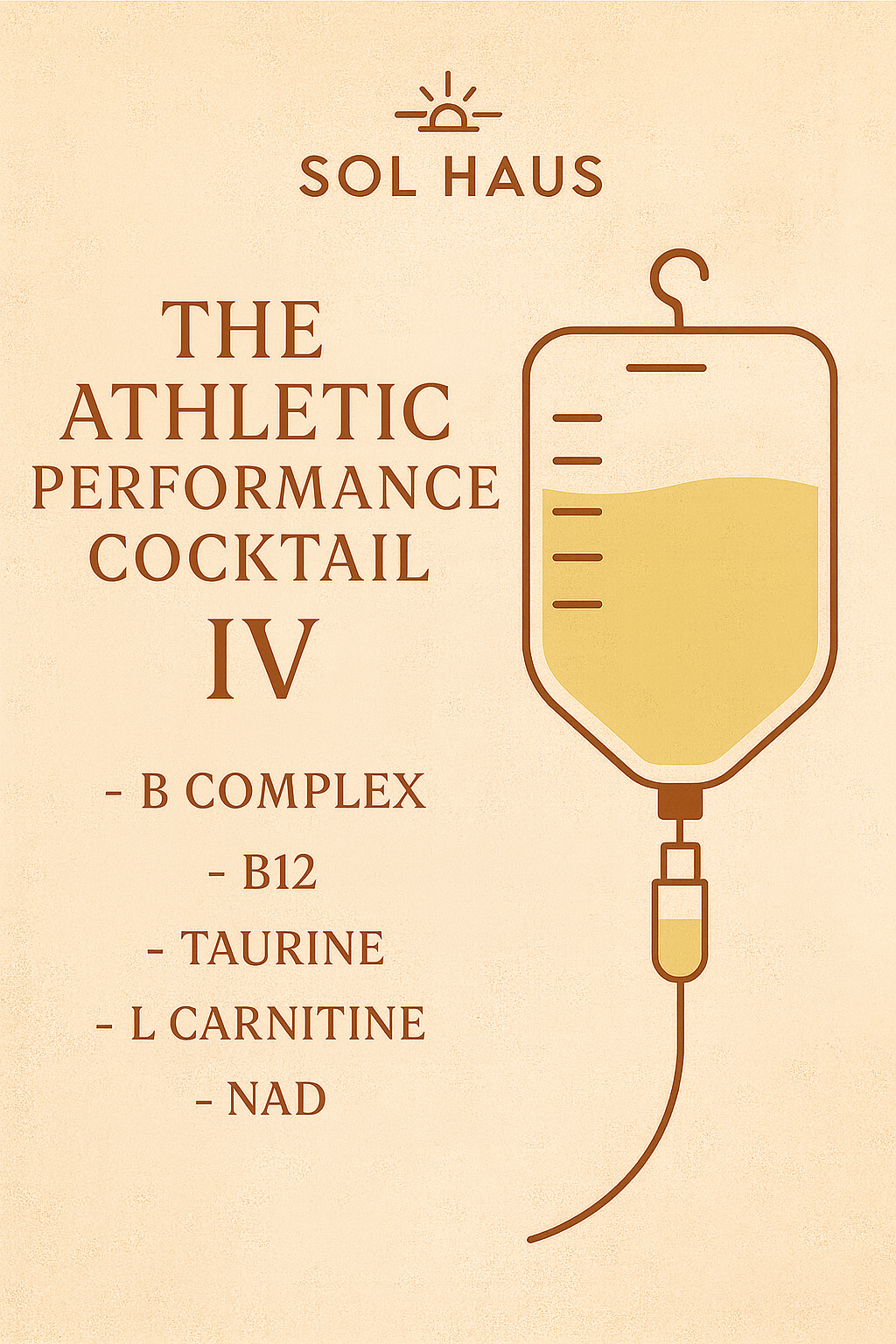
Athletic Performance IV Cocktail
Purpose Designed to support energy production, recovery, and metabolic function for athletes and active individuals.
Ingredients (per 1 mL total volume)
B-Complex — 1 mL (contains standard water-soluble B vitamins to support cellular energy, nervous system function, and recovery)
Vitamin B12 (Methylcobalamin) — 2000 mcg
L-Carnitine (Taurine-associated/standardized) — 500 mg
L-Carnitine (additional) — 500 mg
NAD+ (Nicotinamide adenine dinucleotide) — 100 mg
Key Benefits
Enhanced cellular energy production via B vitamins and NAD+ support of mitochondrial function
Improved fatty acid transport and utilization with L-carnitine to support endurance and recovery
Rapid replenishment of vitamin B12 to support red blood cell production, neurological function, and energy metabolism
Support for post-exercise recovery and reduction of fatigue
Indications
Pre- or post-workout support for endurance training, HIIT, and competitive athletes
Individuals seeking metabolic and mitochondrial support for performance and recovery
Athletes experiencing energy deficits or B12 insufficiency
Administration
To be prepared and administered only by licensed medical personnel in a clinical setting
Typical administration via intravenous infusion following appropriate dilution and aseptic technique
Infusion rate and total diluent volume determined by clinician based on patient size, tolerance, and concurrent fluids/medications
Contraindications and Precautions
Known allergy to any component
Caution in patients with active malignancy without oncology consultation
Use caution in individuals with renal impairment; dosing and total fluid load should be adjusted
Monitor for signs of hypersensitivity, local irritation, or phlebitis
Evaluate for potential interactions with other medications and supplements
Potential Side Effects
Mild: flushing, warmth, lightheadedness, transient nausea
Local: pain, irritation, or phlebitis at infusion site
Rare: hypersensitivity reactions; monitor for anaphylaxis
Monitoring
Baseline assessment: vitals, medical history, medication and supplement list, renal function if indicated
During infusion: vital signs and patient comfort
Post-infusion: observe for delayed reactions and advise on hydration and follow-up as needed
Notes
Formulation should be reviewed and compounded by qualified personnel to ensure correct concentrations and sterility.
Individual components and doses should be tailored by a clinician according to patient needs, laboratory values, and safety considerations.
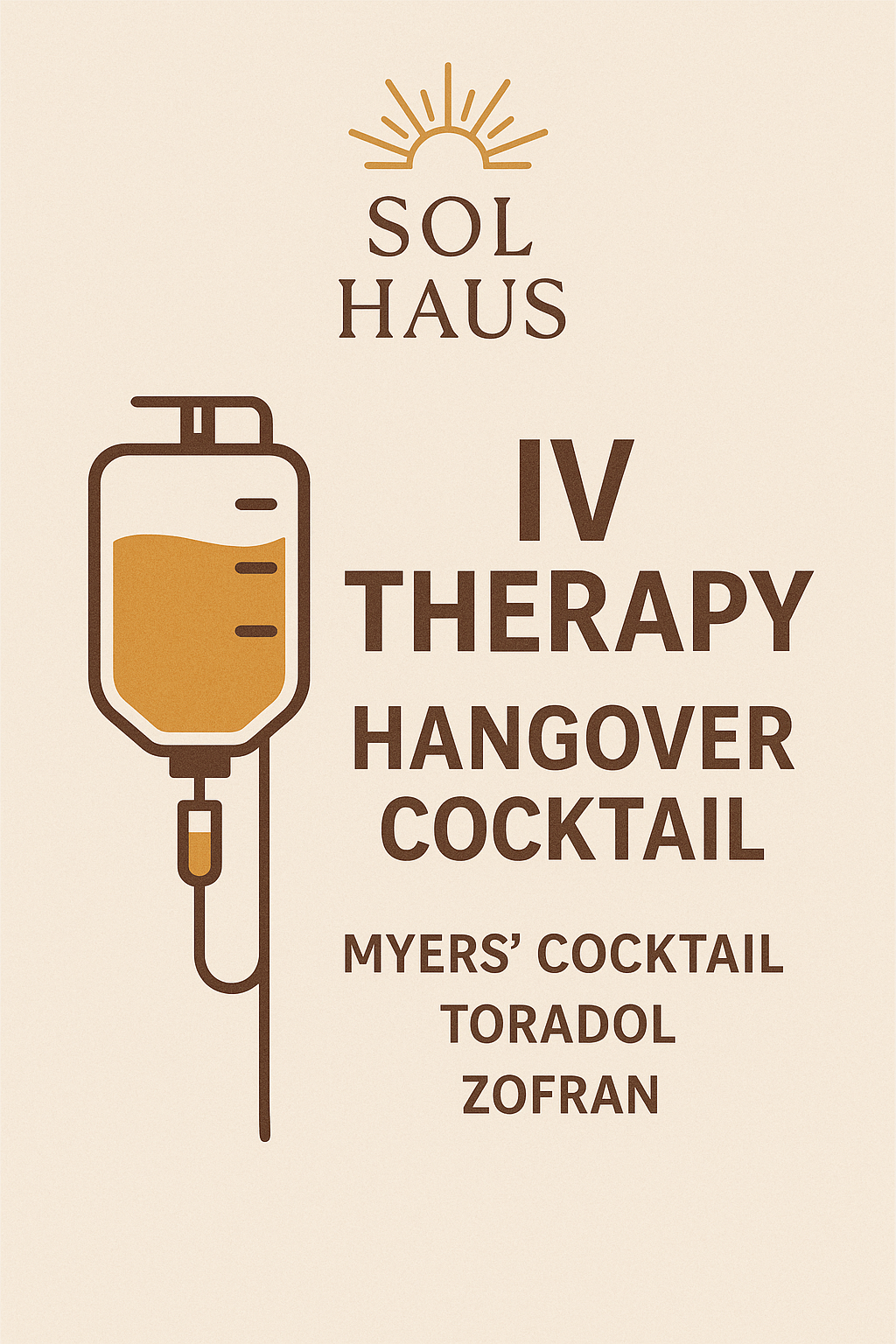
Hangover IV Cocktail — Myers Cocktail base with Toradol 30 mg and Zofran 4 mg
Description A restorative IV infusion designed to relieve common hangover symptoms: dehydration, headache, nausea, fatigue, and muscle aches. This protocol uses a Myers Cocktail base (a blend of vitamins and minerals commonly used for hydration and cellular support) supplemented with Toradol (ketorolac) 30 mg for acute pain and inflammation and Zofran (ondansetron) 4 mg for nausea control.
Typical contents (may be adjusted per clinical assessment)
Myers Cocktail base: intravenous fluids (normal saline or lactated Ringer’s) with a combination of vitamins and minerals such as:
Magnesium sulfate
Calcium gluconate
B-complex vitamins (including thiamine/B1)
Vitamin C
Toradol (ketorolac) 30 mg IV: nonsteroidal analgesic for moderate to severe headache and myalgias
Zofran (ondansetron) 4 mg IV: antiemetic to relieve nausea and prevent vomiting
Optional additions based on assessment: antiemetic alternatives, anti-anxiety medication, or other electrolyte corrections
Indications
Acute hangover symptoms presenting as headache, significant nausea/vomiting, dehydration, lightheadedness, and muscle aches
Patients who require rapid symptomatic relief and are appropriate candidates for IV therapy
Contraindications / precautions
Toradol (ketorolac):
Not for patients with active peptic ulcer disease, recent gastrointestinal bleeding, history of bleeding disorders, severe renal impairment, or known hypersensitivity to NSAIDs.
Use with caution in patients on anticoagulants or with cardiovascular risk.
Maximum recommended duration of ketorolac therapy is typically short (
Hangover IV Cocktail — Myers Cocktail base with Toradol 30 mg and Zofran 4 mg
Description A restorative IV infusion designed to relieve common hangover symptoms: dehydration, headache, nausea, fatigue, and muscle aches. This protocol uses a Myers Cocktail base (a blend of vitamins and minerals commonly used for hydration and cellular support) supplemented with Toradol (ketorolac) 30 mg for acute pain and inflammation and Zofran (ondansetron) 4 mg for nausea control.
Typical contents (may be adjusted per clinical assessment)
Myers Cocktail base: intravenous fluids (normal saline or lactated Ringer’s) with a combination of vitamins and minerals such as:
Magnesium sulfate
Calcium gluconate
B-complex vitamins (including thiamine/B1)
Vitamin C
Toradol (ketorolac) 30 mg IV: nonsteroidal analgesic for moderate to severe headache and myalgias
Zofran (ondansetron) 4 mg IV: antiemetic to relieve nausea and prevent vomiting
Optional additions based on assessment: antiemetic alternatives, anti-anxiety medication, or other electrolyte corrections
Indications
Acute hangover symptoms presenting as headache, significant nausea/vomiting, dehydration, lightheadedness, and muscle aches
Patients who require rapid symptomatic relief and are appropriate candidates for IV therapy
Contraindications / precautions
Toradol (ketorolac):
Not for patients with active peptic ulcer disease, recent gastrointestinal bleeding, history of bleeding disorders, severe renal impairment, or known hypersensitivity to NSAIDs.
Use with caution in patients on anticoagulants or with cardiovascular risk.
Maximum recommended duration of ketorolac therapy is typically short (single dose or up to 5 days depending on setting); dose adjustments for age/renal function may
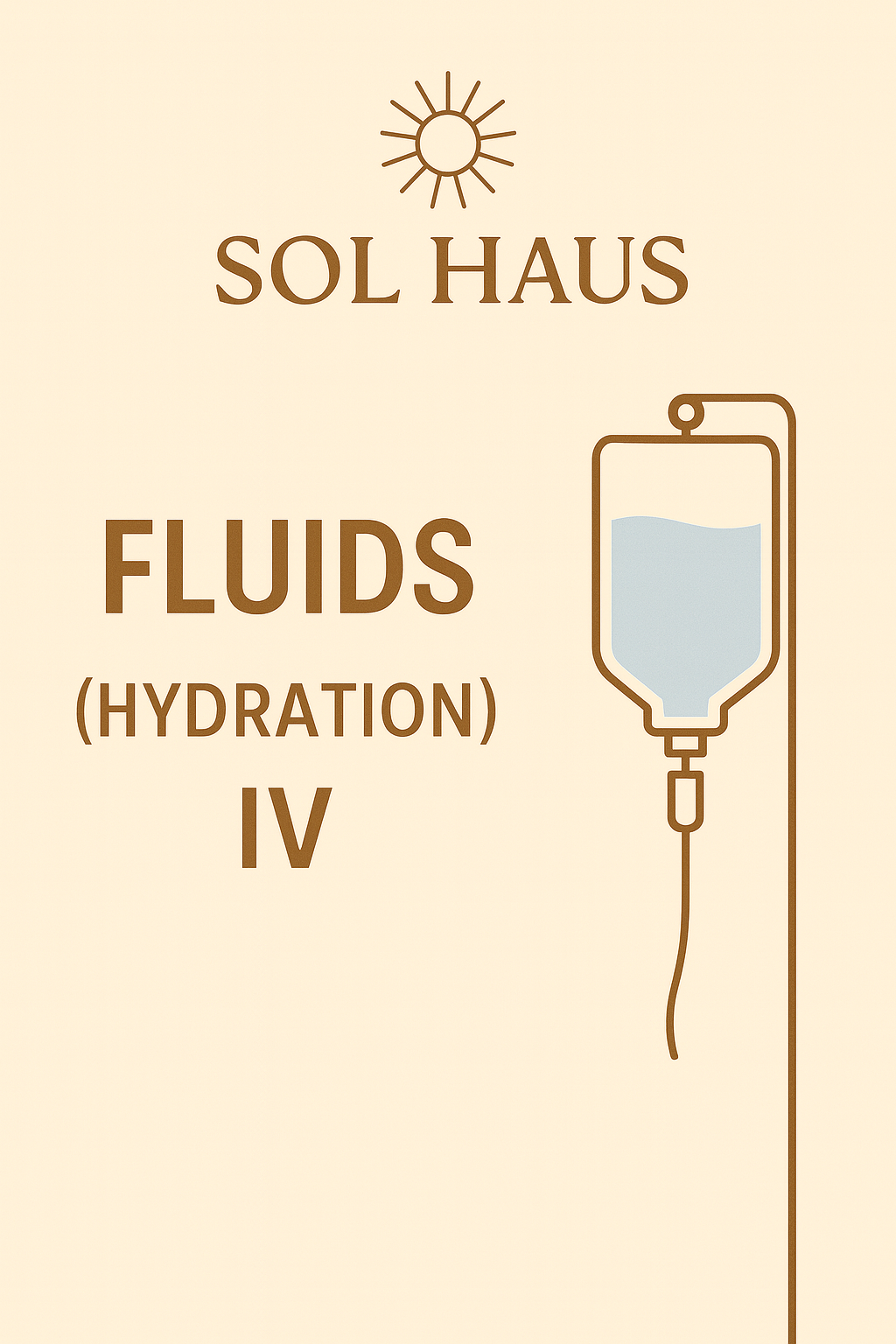
Fluids-Only Hydration IV
A fluids-only hydration IV delivers sterile isotonic fluids directly into the bloodstream to restore and maintain proper fluid balance quickly and efficiently. Unlike nutrient or medication IV drips, this treatment focuses solely on rehydration using intravenous saline (typically normal saline 0.9% or lactated Ringer’s solution) without added vitamins, electrolytes beyond baseline, or medications.
Who benefits
People with mild to moderate dehydration from heat exposure, intense exercise, vomiting, diarrhea, or inadequate oral intake.
Individuals recovering from long flights, hangovers, or illness who need rapid fluid replenishment.
Patients unable to tolerate oral fluids due to nausea or slow gastric emptying.
Pre- or post-procedure hydration when only fluid volume restoration is required.
What to expect
Assessment: A clinician evaluates vitals, medical history, current medications, and signs of dehydration to confirm IV fluids are appropriate.
Placement: A small IV catheter is inserted, usually in the arm or hand. Placement is quick and typically well tolerated.
Infusion: Fluids are infused at a clinician-determined rate. Typical volumes range from 250 mL to 1,000 mL or more depending on clinical need.
Duration: Infusion times vary from 15–60 minutes depending on volume and flow rate.
Monitoring: Staff monitor for comfort, infiltration, allergic reactions, or signs of fluid overload, especially in patients with cardiac or renal conditions.
Aftercare: Once complete, the IV is removed and a small dressing is applied. Patients are advised to continue oral intake as tolerated.
Benefits
Rapid plasma volume expansion and improved circulation.
Faster symptom relief from dizziness, weakness, dry mouth, and lightheadedness.
Bypasses the digestive tract when oral rehydration is impractical or ineffective.
Simple, low-risk intervention when performed by qualified professionals.
Limitations and considerations
Fluids-only IVs may not correct electrolyte imbalances beyond what the chosen solution provides; additional electrolyte replacement may be required in cases of significant losses.
Not a replacement for medical evaluation when dehydration is severe, persistent, or accompanied by high fever, bloody diarrhea, confusion, or hypotension.
Caution in patients with heart failure, kidney disease, or advanced liver disease due to risk of fluid overload. These conditions require tailored fluid type and rate.
Minor risks include bruising, bleeding, phlebitis, or infiltration at the IV site. Serious complications like infection or air embolism are rare with proper technique.
Clinical settings and use
Urgent care, emergency departments, outpatient infusion clinics, and medical spas or wellness centers offering IV therapy under medical supervision.
Often used as a first-line rehydration method when rapid volume support is necessary or when oral rehydration fails.
Summary A fluids-only hydration IV is an efficient, low-complexity option to restore intravascular volume and relieve dehydration symptoms. When administered by trained clinicians
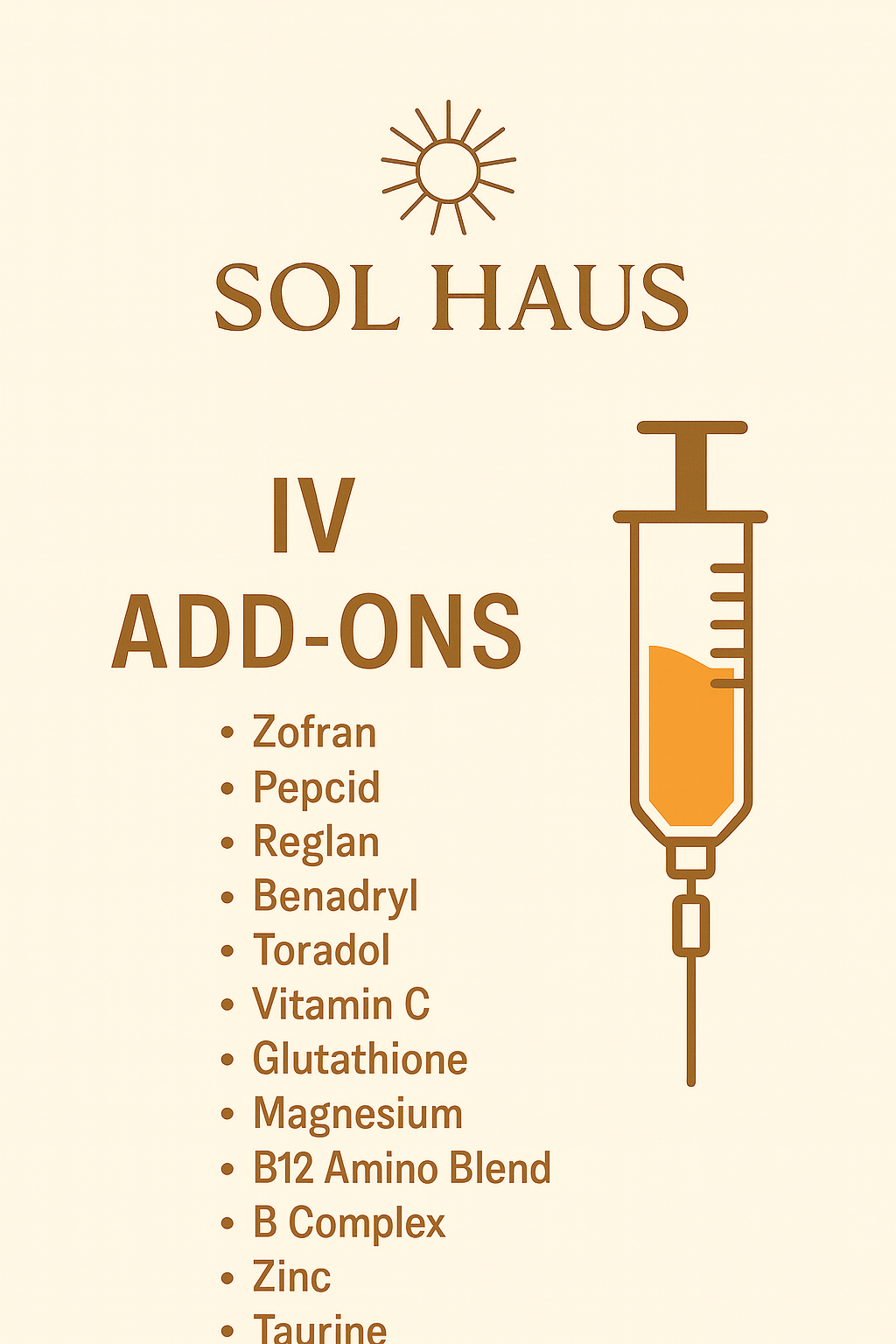
IV. Add-Ons
We offer a comprehensive selection of IV and injection add-ons to personalize your treatment for symptom relief, recovery, immune support, and performance. Each add-on can be combined with our primary IV therapies or administered per clinician recommendation.
Medication & symptom relief
Zofran (ondansetron): Effective anti-nausea agent for preventing or treating vomiting and nausea during or after infusions.
Pepcid (famotidine): H2 blocker to reduce stomach acid and help manage reflux or gastrointestinal discomfort.
Reglan (metoclopramide): Promotes gastric emptying and reduces nausea; useful for gastroparesis-related symptoms and post-treatment nausea.
Benadryl (diphenhydramine): Antihistamine for allergic reactions, itching, or to provide mild sedation when appropriate.
Toradol (ketorolac): Nonsteroidal anti-inflammatory for short-term management of moderate pain and inflammation. Given under clinical supervision.
Vitamins, antioxidants & metabolic support
Vitamin C: Potent antioxidant that supports immune function, collagen synthesis, and recovery from oxidative stress.
Glutathione: Master antioxidant for detoxification, cellular protection, and support of liver function.
Magnesium: Electrolyte essential for muscle and nerve function, energy production, and relaxation.
Vitamin B12: Supports energy metabolism, neurologic function, and red blood cell formation.
Amino Blend (the complex): A tailored mix of essential and non-essential amino acids to support muscle repair, recovery, and metabolic needs.
Zinc: Trace mineral important for immune health, wound healing, and enzymatic function.
Targeted performance & beauty support
Taurine: Amino sulfonic acid supporting cardiovascular function, electrolyte balance, and exercise performance.
Biotin: B vitamin that supports healthy hair, skin, and nails.
L-Carnitine: Facilitates fatty acid transport into mitochondria for energy production and may support metabolic performance.
Clinical notes
All add-ons are administered by licensed clinicians following a medical assessment to determine appropriateness, dose, and route (IV or IM) based on individual health status and any contraindications.
Some medications (e.g., Toradol, Reglan, Benadryl) have specific contraindications and side effects; a medical history and medication review are required prior to administration.
Dosing and combinations are customized for safety and efficacy. If you have allergies,
NAD (nicotinamide adenine dinucleotide) therapy is increasingly discussed for its roles in cellular energy, DNA repair, and metabolic health. Below is a clear, clinical overview comparing in-clinic NAD administration with at-home injection use, including benefits, risks, protocols, and practical considerations to help patients and providers make informed decisions.
What is NAD?
NAD is a coenzyme found in every cell that cycles between NAD+ and NADH forms, central to mitochondrial function, redox reactions, and as a substrate for enzymes involved in DNA repair and epigenetic regulation.
Interest in supplementation or replacement therapy focuses on boosting NAD+ levels to support energy metabolism, cognitive function, recovery from substance use disorders, age-related decline, and overall cellular resilience.
Forms of NAD therapy
Intravenous (IV) NAD: Direct infusion of NAD+ solution into a vein, typically performed in a medical setting.
Intramuscular (IM) or subcutaneous (SC) injections: Smaller-volume injections that can be given in clinic or, in some protocols, at home after training.
Oral NAD precursors (e.g., nicotinamide riboside, nicotinamide mononucleotide): Available OTC and by prescription; raise NAD+ indirectly and are less invasive.
In-clinic NAD administration Advantages
Medical supervision: Continuous monitoring for adverse reactions (allergic response, hypotension, nausea, flushing, arrhythmias).
Professional dosing and titration: Providers can tailor infusion rate and dose based on tolerance, goals, comorbidities, and concurrent medications.
Sterile environment and trained personnel reduce infection and administration errors.
IV Wellness Therapy is a cutting-edge approach to health and vitality that involves administering vitamins, minerals, and other essential nutrients directly into the bloodstream through an intravenous (IV) drip. This method bypasses the digestive system, allowing for 100% absorption of nutrients, which can lead to faster and more effective results compared to oral supplementation.
Primarily used to boost energy levels, enhance immune function, promote hydration, and support overall wellness, IV therapy is customizable to meet individual health needs. Common formulations include Vitamin C, B-complex vitamins, magnesium, calcium, zinc, and antioxidants. These nutrients help combat fatigue, reduce inflammation, improve skin health, and aid recovery from illnesses or physical exertion.
At Sol Haus Aesthetics+Wellness+Boutique, IV Wellness Therapy is administered by licensed healthcare professionals in a comfortable and relaxing environment. Our treatments are designed not only to support your body’s natural functions but to elevate your sense of well-being, helping you feel renewed, energized, and balanced. Whether used as a regular wellness booster or in response to specific health concerns, IV therapy is a powerful tool for proactive health management.
Contact us
Info@Solhauscollective.co
We love our clients and want to hear from you!
Sign up for our monthly newsletter to receive our latest specials and events and you will be entered to WIN a $250 treatment package.